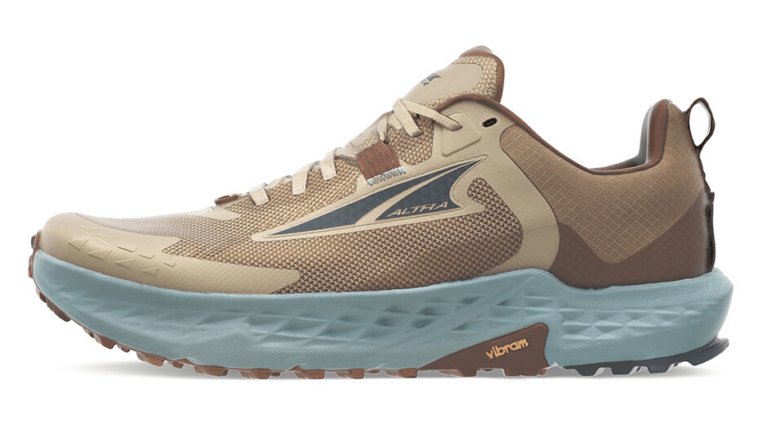

 What is the best way to look after leather walking and trekking boots — and how do you make leather boots without a membrane waterproof? There are plenty of tips and tricks out there, but not all of them make sense and not all of them really help to proof your beloved boots. Here are my own care tips.
First, take the laces and the insoles out of the dirty boots.
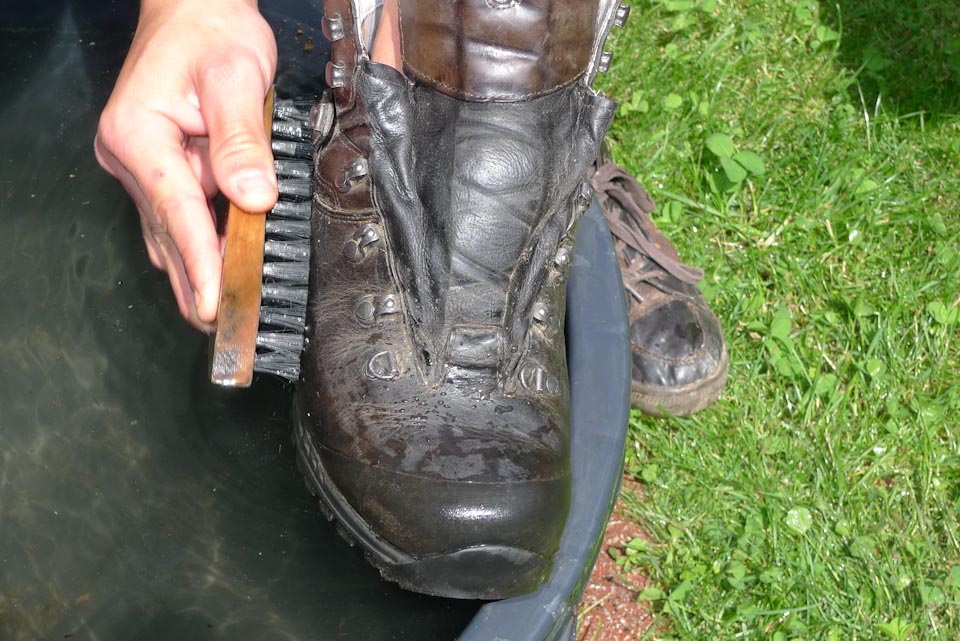
Next, with the boots dry, take off the coarse dirt with a slightly harder brush. That also gets rid of any stones wedged in the soles.
Since that is usually not enough to clean the leather properly, the boots are now scrubbed thoroughly under lukewarm water with a somewhat softer brush. Never use soap for this — it can damage the leather.
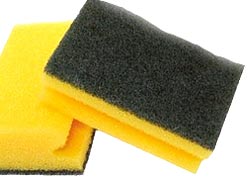 If really stubborn dirt is stuck to the boots, tree resin or tar for instance, you can get it off with a pot-scouring sponge. Use the rough scratching side very carefully and only exactly where you need it — never treat the whole boot with it. The area around the seams and eyelets cleans up well with a toothpick or a hard toothbrush.
Now that the boots are clean on the outside, it is time for the inside check. Dirt in there can be removed with water and a small brush or a sponge as well. Again, use only clean water, lukewarm at most — never hot water.
Next we let the leather boots dry slowly. Never near a radiator or a stove, and never in direct sun. Wet leather is very sensitive to heat and “burns” easily — the leather turns brittle, hard and cracked, and is effectively ruined. If the lining is wet too, you can stuff the boots with newspaper and swap it for dry paper at intervals.
The leather of trekking boots needs wax as regular “food”
 Once the boots are dry, they get waxed. Avoid other products such as leather grease, oil or petroleum jelly. I use Sno-Seal leather wax myself and have had good results with it so far. Before you apply it, both the boots and the wax should be warmed gently. The wax can be warmed in a warm water bath; the boots can be warmed up in the oven. A hairdryer is another option, or you can put the boots in the sun covered with a thin cloth. Whichever method you use — the boots must NOT get too warm. That could loosen the glued joints, of the sole or the rand, for example.
The wax is then best massaged in thoroughly but thinly with your finger. Pay particular attention to the seams, because that is where moisture has a potential way in. The area around the heel and the eyelets deserves special attention too.
Keep the following in mind:
- Walking and trekking boots go darker when treated with wax.
- On rough leather boots, suede for instance, the leather also goes smooth as well as darker.
That is normal and completely harmless — unless the changed look bothers you. - Leather boots with a membrane can be waxed too, but should not be warmed beforehand, so that the wax does not work its way into the membrane and destroy it.
Leather trekking boots deserve regular care
To finish, the laces are washed, dried and threaded back in. In the lacing area I actually wax the laces as well — that stops them soaking up water. The insoles should also be washed out thoroughly and dried before they go back into the boots.
I look after my boots this way about three or four times a year, depending on how hard they are used. In between I rub a little wax onto especially exposed spots with a cloth now and then. Boots with a leather lining also get rubbed with a moisturising cream in there once or twice a year, or after every inside wash. That keeps the inner leather supple too (do not use wax on the inside).
Every now and then, when the boots have got wet but are not too dirty, I treat them to TAPIR leather proofing, a natural proofing agent in a pump spray.
With trekking boots treated this way (currently a pair of Hanwag Tatra) my feet have stayed dry every time so far. I do not miss a membrane such as Gore-Tex at all — quite the opposite.