
I’ve come across the Harzer Baudenstieg many times on my hikes through the Harz Mountains. Time and again, magnificent trails cross its path, marked with its distinctive sign. For example, when hiking the Harzer Försterstieg, you share a few meters of trail with it every now and then; on the Harzer Hexenstieg, you cross paths with it, and even on the Karstwanderweg along the southern edge of the Harz Mountains, you encounter it constantly. So it’s time to dedicate a post to this trail!
General Information about the Harzer Baudenstieg
The trail stretches over nearly 100 kilometers and covers a little over 3,000 meters of elevation gain. You can start the tour either in Bad Grund or in Walkenried.
The concept behind the trail is as simple as it is brilliant: it connects the most beautiful forest restaurants and mountain inns (the so-called “Bauden”) on the sunny side of the Harz Mountains. If you don’t want to hike the entire route right away, there’s also a selection of various loop hikes that let you experience individual sections of the Baudenstieg.
Transportation and Getting There
Of the two endpoints, Walkenried has better transportation links, as it has a train station right in town. Bad Grund, on the other hand, can only be reached by bus (from Clausthal-Zellerfeld or Osterode).
- Bus service: Since the trail passes through various towns, there are connections to the regional bus network; however, the quality and frequency vary significantly depending on the day of the week and time of day.
- Train alternatives: Train stations are usually only accessible from the stages via significant detours (e.g., in Barbis, Herzberg, or Osterode).
My tip: The Gittelde train station is located about 5 km from Bad Grund. I took the train from there to Walkenried, but then had to walk a few “bonus kilometers” before actually heading back.
Overnight stay on the Baudenstieg
When it comes to places to sleep, the Harz Baudenstieg is very flexible. Since you’ll be passing through towns and villages along the way, you have various options for planning your nights:
From accommodation to accommodation: If you prefer comfort after a long day of hiking, you can easily hike from hotel to hotel or guesthouse to guesthouse. The selection in the neighboring towns is large enough to book a bed for every stage.
Official Campgrounds: Do you prefer to travel with a tent? That’s also an option. There are official campgrounds in Zorge, at Wiesenbeker Teich, and in Lehrbach. While this requires a short detour from the main trail, you’ll have a legal place to stay with restroom facilities.
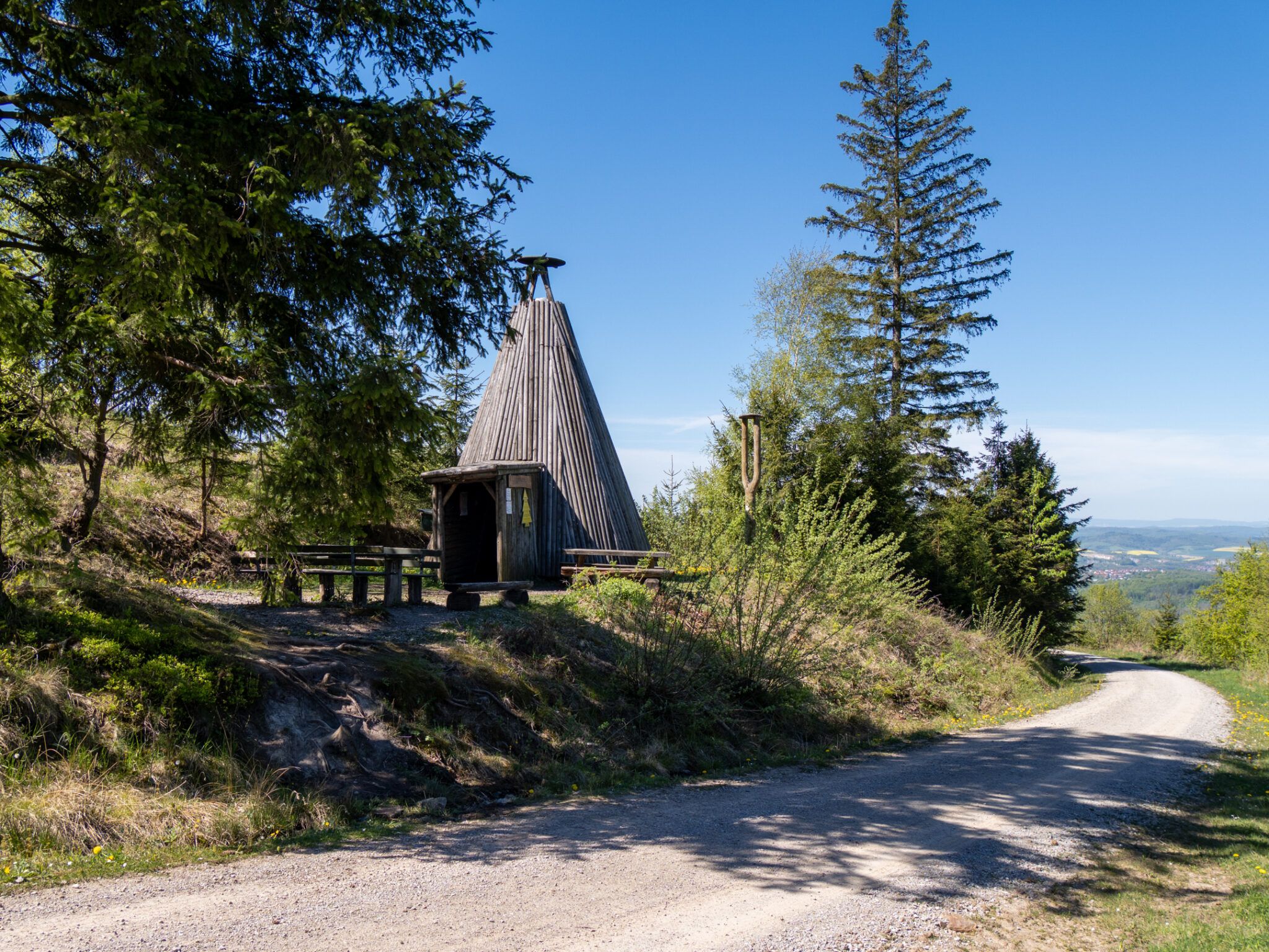
Wild camping and shelters: There is a very clear rule here: Wild camping is strictly prohibited in the Harz Mountains. Especially in the short section past Sieber (National Park), I strongly advise against pitching a tent in the forest on your own. However, if you find yourself in an emergency situation and can’t make it back to your lodging or car in time, there are fortunately many shelters along the trail. In an absolute emergency, you can set up a bivouac there to safely get through the night.
Supplies: Water and Food
The name “Baudenstieg” alone suggests that the supply situation here is relaxed. Nevertheless, here’s an important tip: Don’t rely blindly on the “Bauden”; instead, check the current opening hours in advance.
Unlike the Harzer Försterstieg, this trail often leads directly through the towns rather than just past them. Along the way, you’ll find plenty of restaurants in the towns—especially in Bad Sachsa and Bad Lauterberg.
Shopping: There’s a small shop in Zorge, and Wieda has a bakery. In Bad Sachsa and Bad Lauterberg, you can do a big shop if needed. There’s a kiosk in Sieber, and even at the Sösetalsperre, a French fry stand was open during my hike.
Water: I found the water supply to be quite easy to manage, but I always use a water filter to treat whatever water I find along the way. Of course, it can be drier in midsummer than in spring. I usually carried 1.5 liters of water and refilled my supply as soon as it ran low.
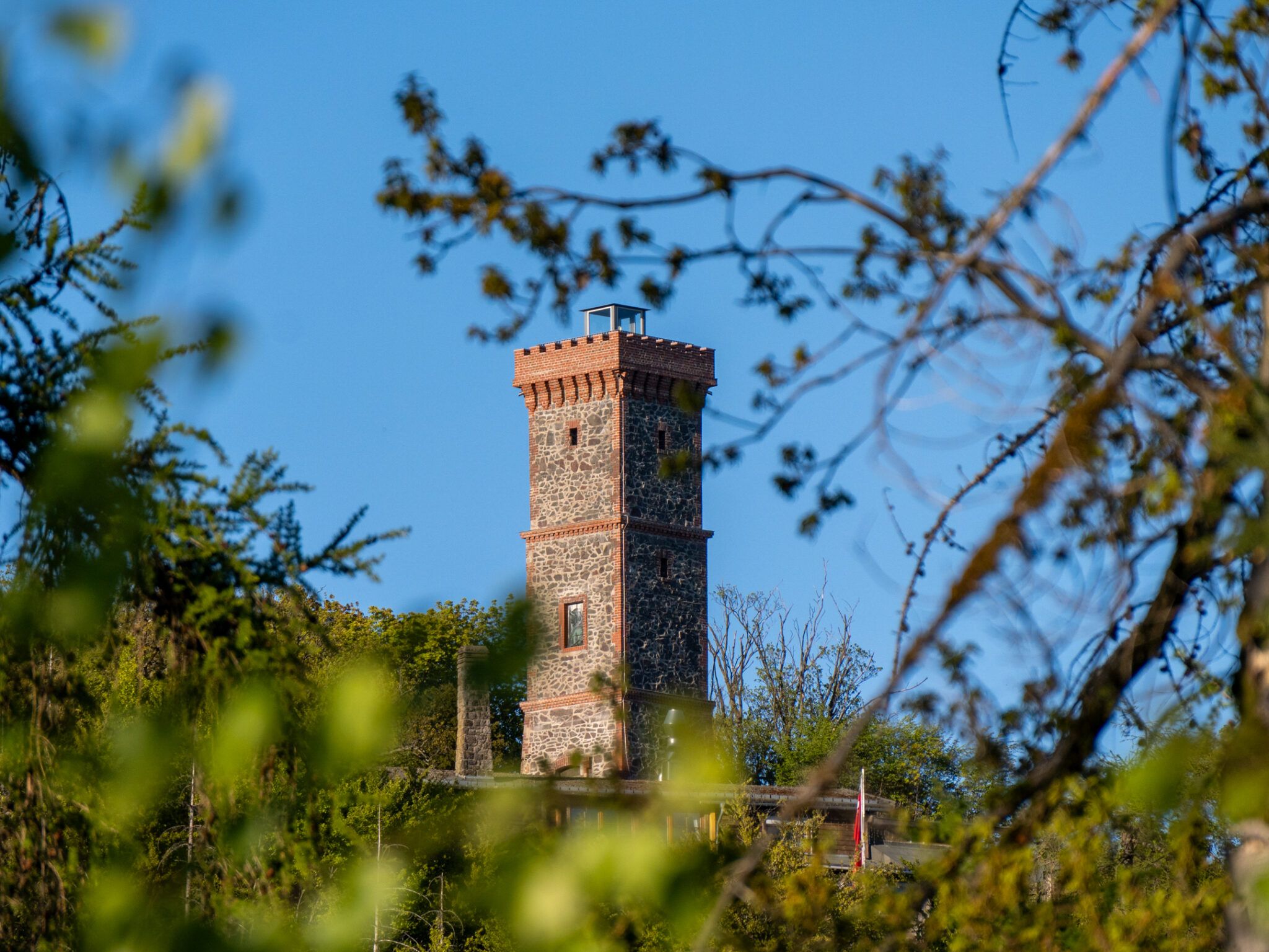
Note: From Lehrbach onward, it’s advisable to bring a bit more water. Except for the Prinzenteich, the route to the Iberger Albertturm is quite dry—and up there, water is only available if the hut is open.
Best time to visit
I definitely recommend spring or fall. Although the Harzer Baudenstieg offers relatively plenty of shade, during my hike in late April, temperatures sometimes climbed above 25 degrees. I would have preferred to wear swim trunks instead of hiking boots at times!
The 6 official stages
The Harzer Baudenstieg is officially divided into six sections:
- Bad Grund to Lehrbach
- Lehrbach to Sieber
- Sieber to Bad Lauterberg
- Bad Lauterberg to Bad Sachsa
- From Bad Sachsa to Wieda
- Wieda to Walkenried
This route makes a lot of sense logistically if you want to hike from hotel to hotel. If you’re an ambitious hiker and don’t have a long commute, you can also complete the route in a (long) weekend. I was on the trail for 2.5 days, which was quite a challenge for me.
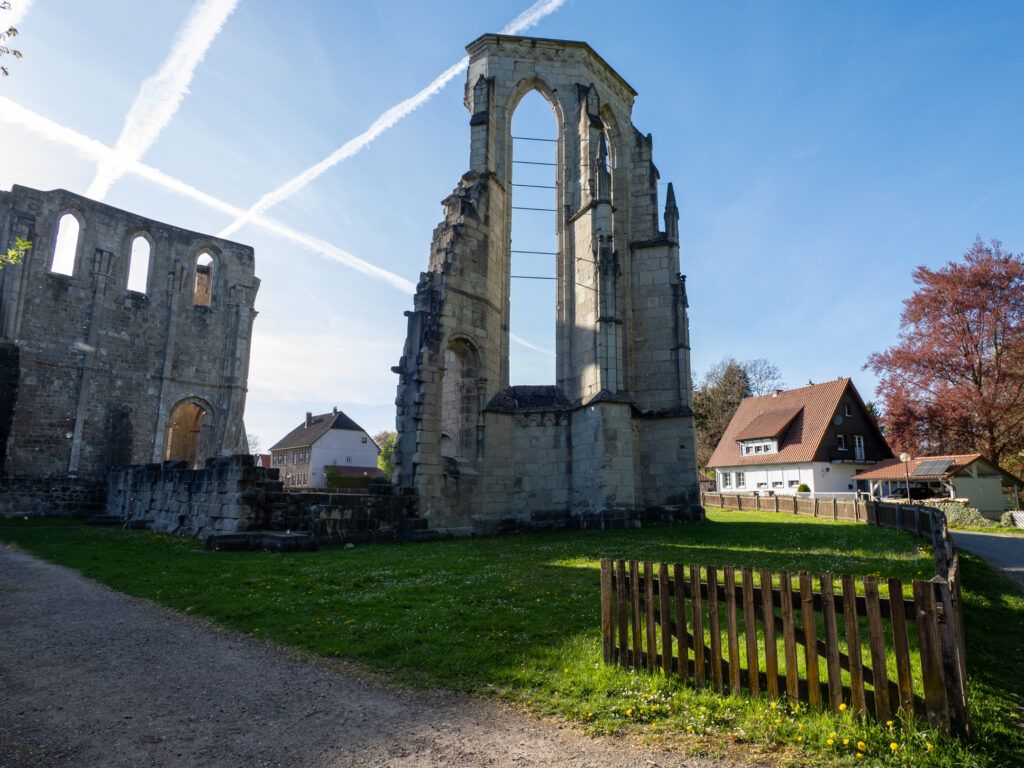
The Baudenstieg has so much to offer that it’s actually nicer to take more time. Aside from the cozy mountain huts, detours to the Einhorn Caves, the Cave Adventure Center in Bad Grund, the Weltwald, or Walkenried Abbey are well worth it. And if you’d like, you can even round off the tour with a whiskey tasting at the Hercynian Distilling Co.!