
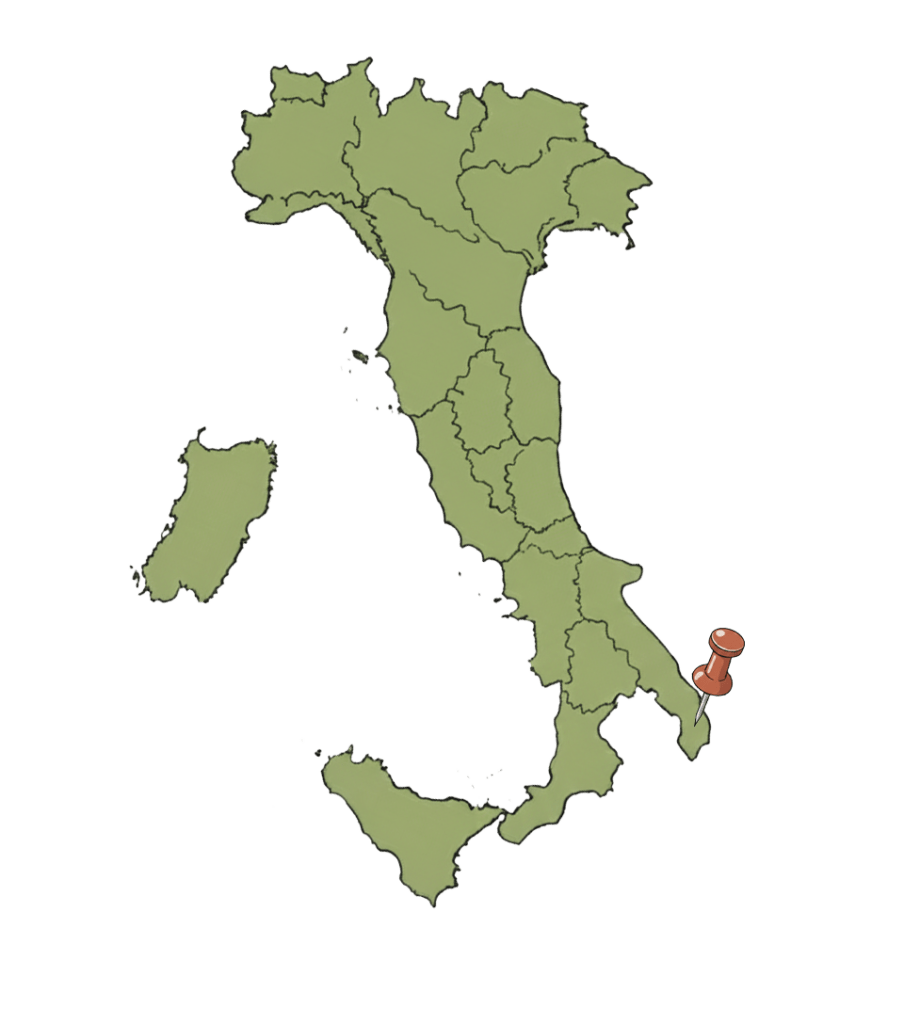
Apulia is known for summer vacations, but what about a long-distance hike in late fall? The Cammino del Salento in Italy connects Lecce with Santa Maria di Leuca, the southernmost point of the “boot” of Italy. There are two versions of this pilgrimage route: While the “Via dei Borghi” leads through the countryside, in this post I’ll take you along the approximately 115-kilometer-long “Via del Mare” (coastal route).
I walked the route in late November—a time when the tourist crowds have gone and temperatures hover around a pleasant 15–20 degrees, though you might occasionally be caught in the rain. Here you’ll find all the info on the stages, accommodations, and my GPX data for download.
Quick Facts
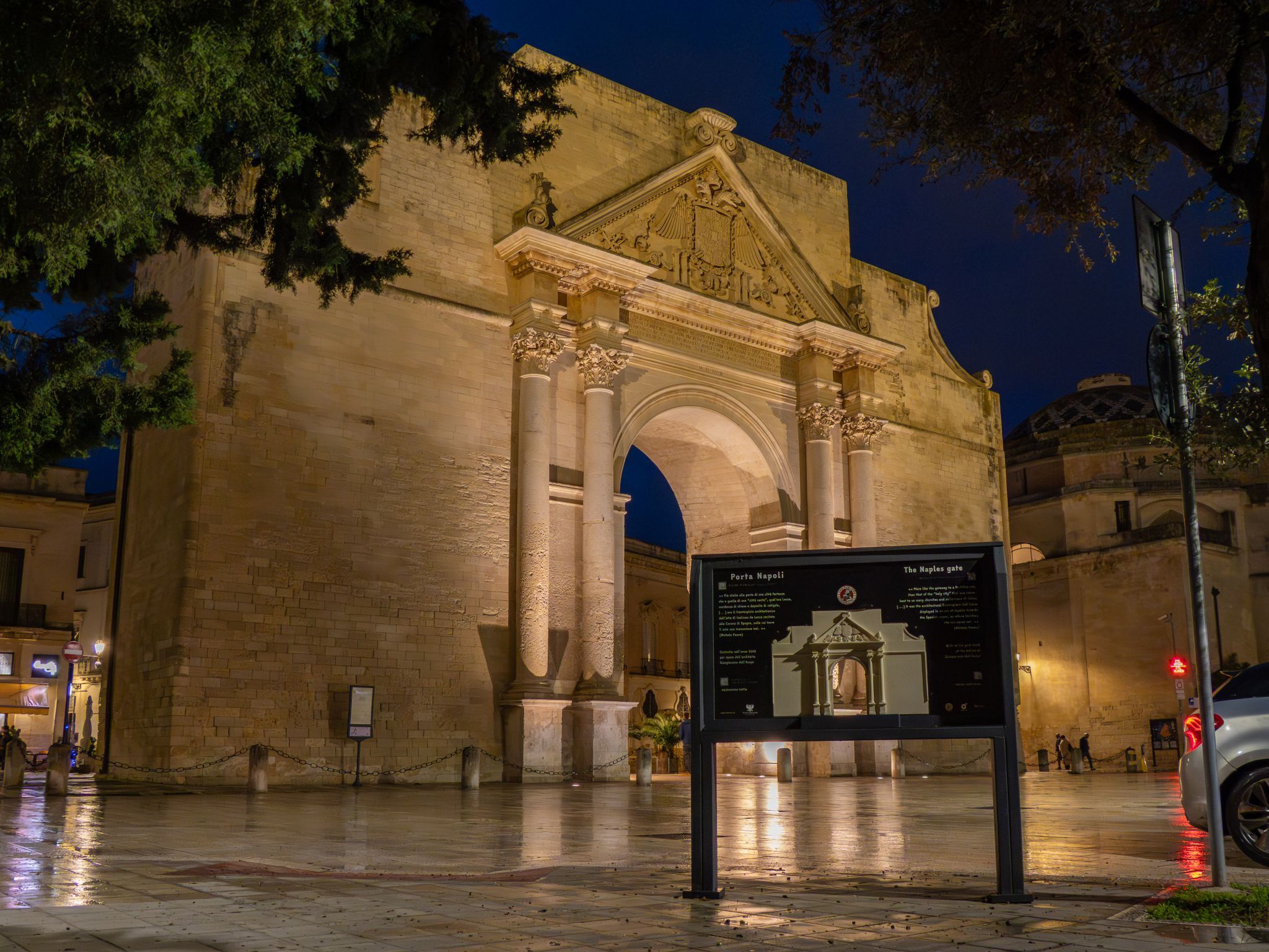
- Start: Lecce (Porta Napoli)
- End: Santa Maria di Leuca (Basilica)
- Length: approx. 115 km (5 stages)
- Difficulty: Moderate (little elevation gain, but partly sandy/rocky)
- Best time to visit: Spring & Fall (too hot in summer)
Route overview: map & GPX track
The Salento Trail – in Italian Cammino del Salento – is one of the most beautiful ways to go hiking in Puglia (Apulia): the Via del Mare follows the Adriatic coast for about 115 km from Lecce via San Foca, Otranto, Castro and Corsano to Santa Maria di Leuca. The map shows the whole route including the drinking water taps. Under “Details” you can download my GPX track.
General information about the Cammino del Salento
Getting to the Cammino del Salento
My flight from Hanover to Brindisi was a wild ride with two layovers and a travel time of 7 to 8 hours. From there, I took the train to Lecce. It’s definitely helpful to download the Trenitalia app on your smartphone to find local transit connections and buy tickets.
Unfortunately, the public transit network is a bit confusing; there are various providers, each requiring different apps. If you can read Italian, you should install the Cotrap app. If you don’t understand a word, you can also use Google Maps via cotrap.it. On Cotrap, you can find, for example, the bus route from Brindisi to Lecce, connections within Brindisi to the airport, or the return trip from Santa Maria di Leuca to Lecce/Brindisi.
Important: At the end of November, bus service was very sparse; often only 1–2 buses ran per day on the routes. During the season (I believe until the end of September), there are special summer schedules. It’s best to do a little research beforehand so you don’t end up stuck. You can buy tickets with cash on the bus (though they’re a bit more expensive there), or you can get them directly through the app or the website. At the train station, you’ll also find ticket machines with German menu options.
Accommodations on the Cammino del Salento
If you’re walking the Cammino del Salento, you’ll have no trouble finding plenty of accommodations via Booking.com or other platforms. If you have a pilgrim’s passport, you can also take advantage of a range of accommodations that offer special rates for pilgrims. So it definitely makes sense to get the pilgrim’s passport—not just to support the upkeep of the trail. Prices for a night’s stay on Booking are around €50, sometimes with and sometimes without breakfast.
Camping on the Cammino del Salento
Originally, I planned to hike the trail with a tent and carried it around with me the whole time—but I never ended up using it. Wild camping is prohibited in Italy. While there are certainly spots on the beach and sometimes in the countryside, the nearest resident is usually just an olive grove away.
If you want to walk the route legally with a tent, you have to stick to the schedule of the campgrounds. These are all listed in the Pilgrim’s Guide. Using Google Maps, it’s often hard to tell which are actual campgrounds (where you can pitch a tent) and which are just RV parks. If we stick to the campgrounds listed in the Pilgrim’s Guide, the stages would look like this:
- 32 km: Villa Messapia (cash only, €25 per night)
- 15 km: Oasy Park
- 22 km: Camping Porto Miggiano or Camping La Scogliera
- 22 km: Agriturismo Salento D’arare
- 18 km: Camping Village Santa Maria di Leuca
However, the campgrounds I passed seemed to be closed at the beginning of November.
Food & Water on the Cammino del Salento
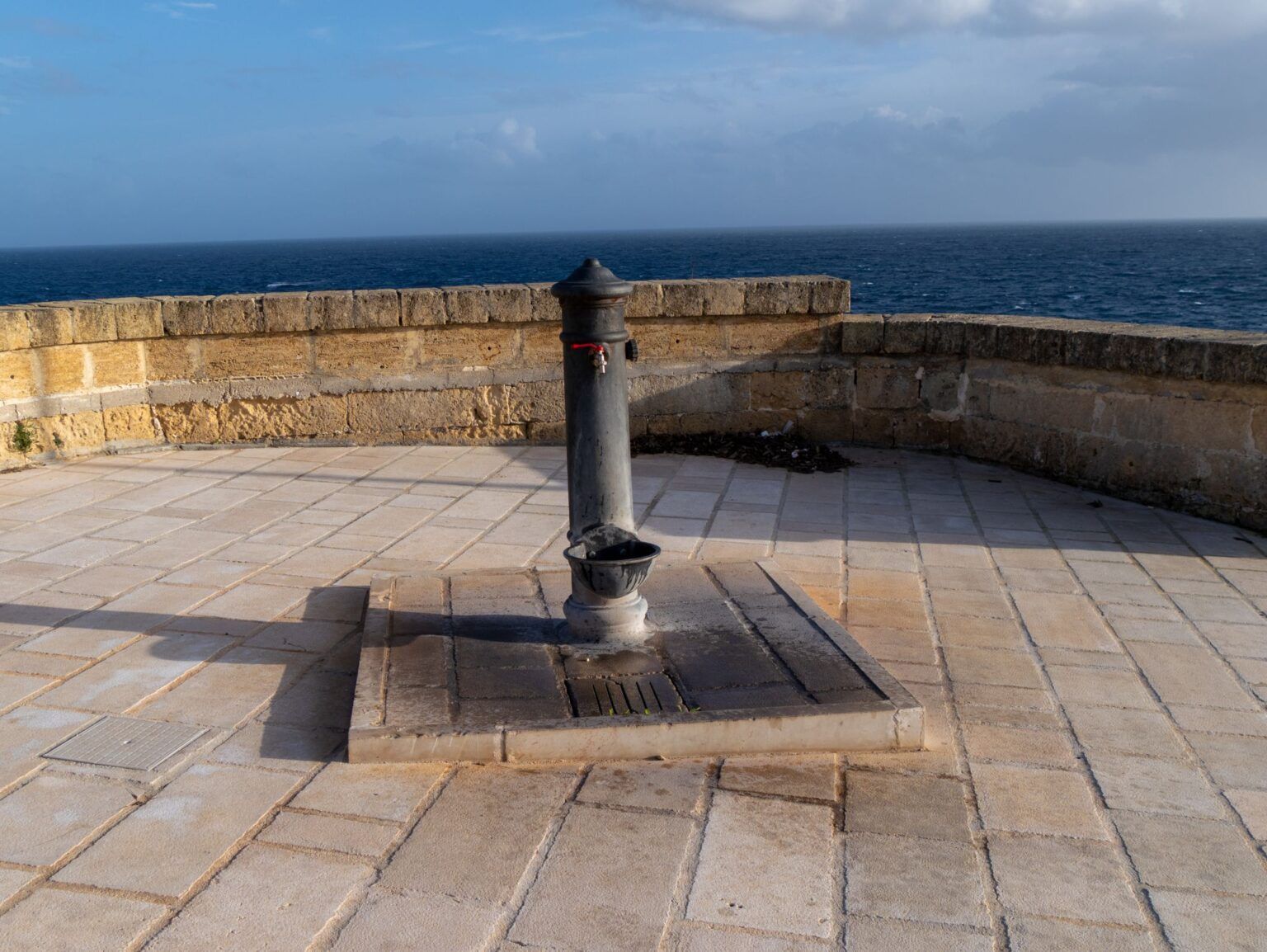
Actually, every day you have the opportunity to pick up a few things at a small supermarket along the way (even if it’s not always right by the trail) or to eat at a restaurant. Water is often available from taps specifically provided for this purpose along the trail, so you never have to carry very much water. I’ve marked the taps on the map for you.
The Pilgrim’s Passport (Credenziale)

If you want to get a taste of the Camino de Santiago experience in Italy, you can purchase a pilgrim’s passport for the route. It costs €15; this supports the maintenance of the trail, and you receive a discount at some attractions and accommodations. Of course, you can also collect stamps and receive a certificate at the end.
However, at the end of November, I found that it wasn’t nearly as easy to get the stamps as one might be used to from Spain. I was also quite lazy, though: if the stamp stations weren’t right along the route, I didn’t bother getting one. With my three stamps at the end of the hike, I didn’t even try to pick up the certificate for completing the route. If, like me, you think you don’t need all that “frills,” just buy the passport to support the upkeep of the trail.
My stage highlights & experiences on the Cammino del Salento
Stage 1: Start in Lecce to San Foca
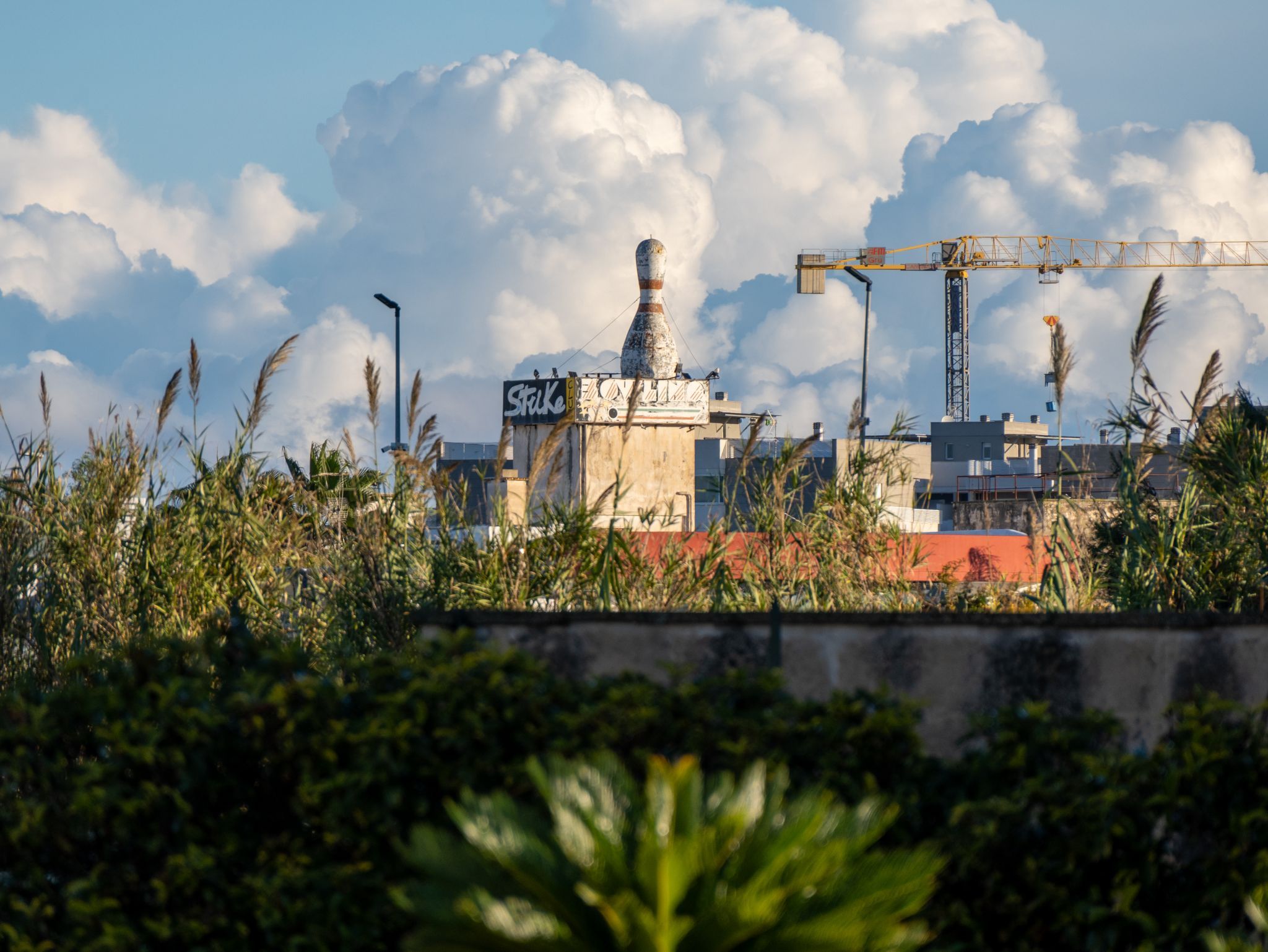
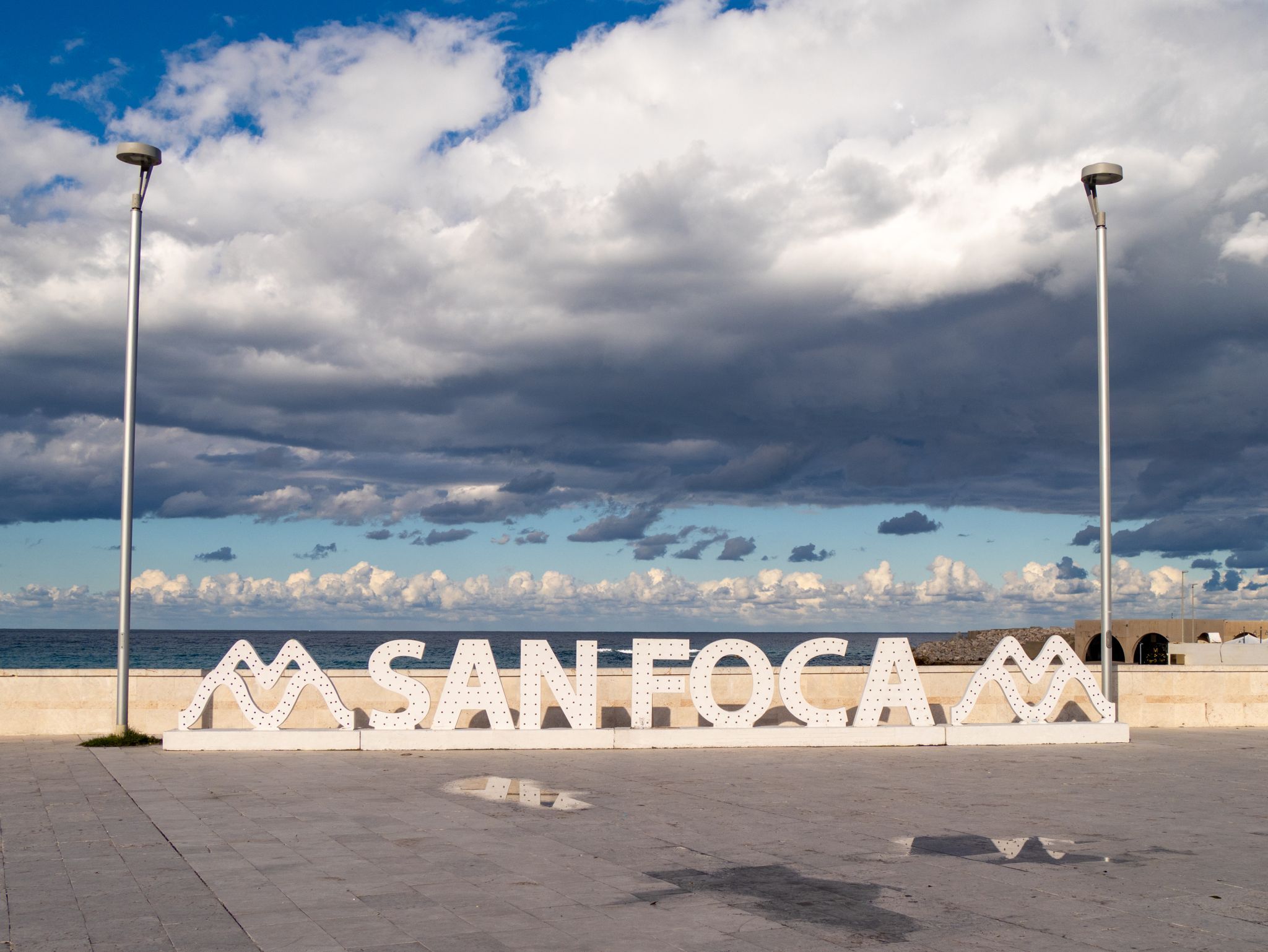
The trail begins in beautiful, Baroque Lecce. Interesting fact: If you see signs for the Via Francigena here, you’re on the right track! In some sections, the trail shares the route with the southern extension of the famous Frankenweg. The first section quickly leads out of the city into quieter surroundings. Unfortunately, it follows paved roads for a very long time, and most of the route isn’t really worth seeing. If I had to skip a stage, it would definitely be the first one. But don’t worry: from here on out, everything gets better.
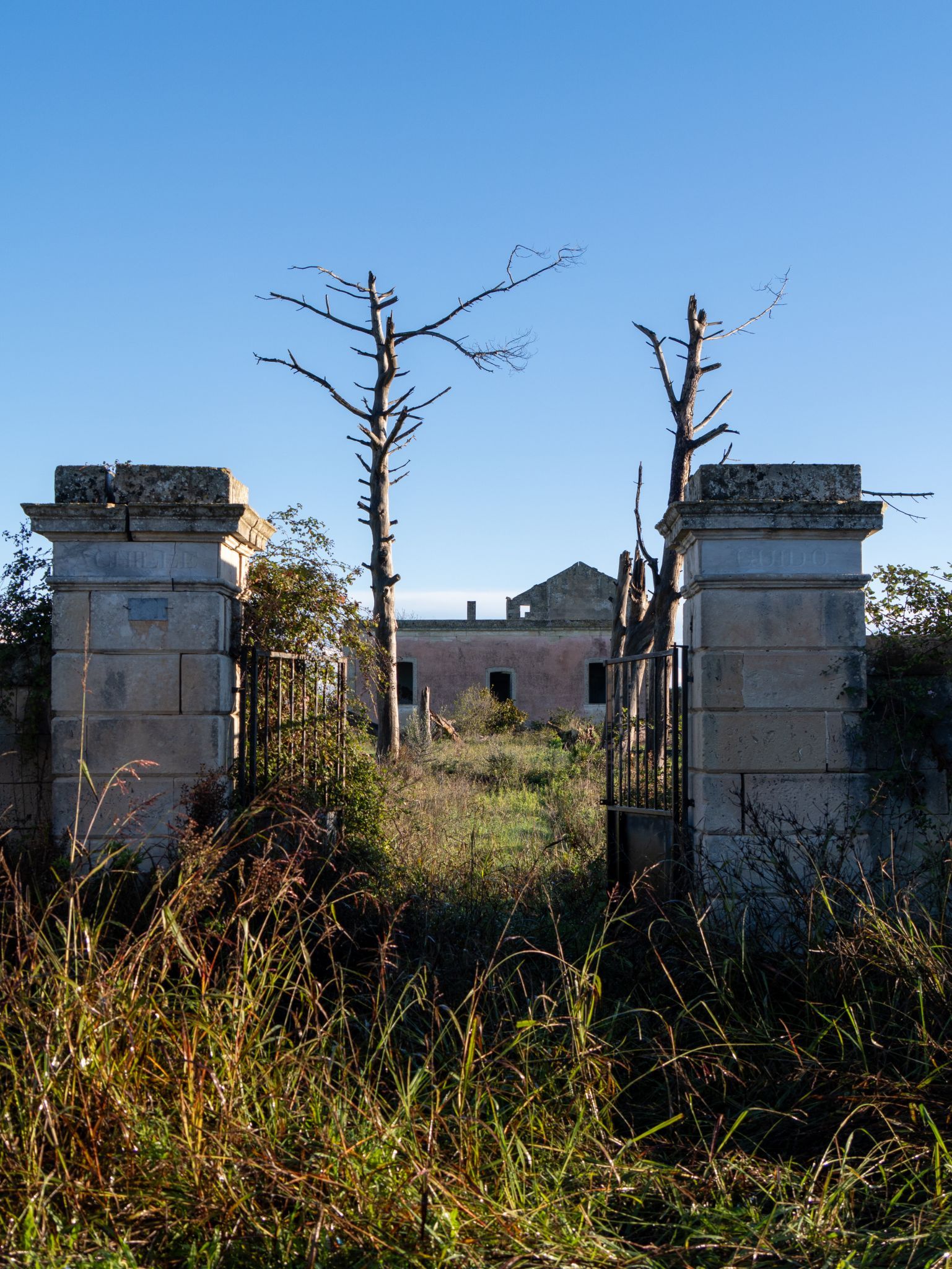
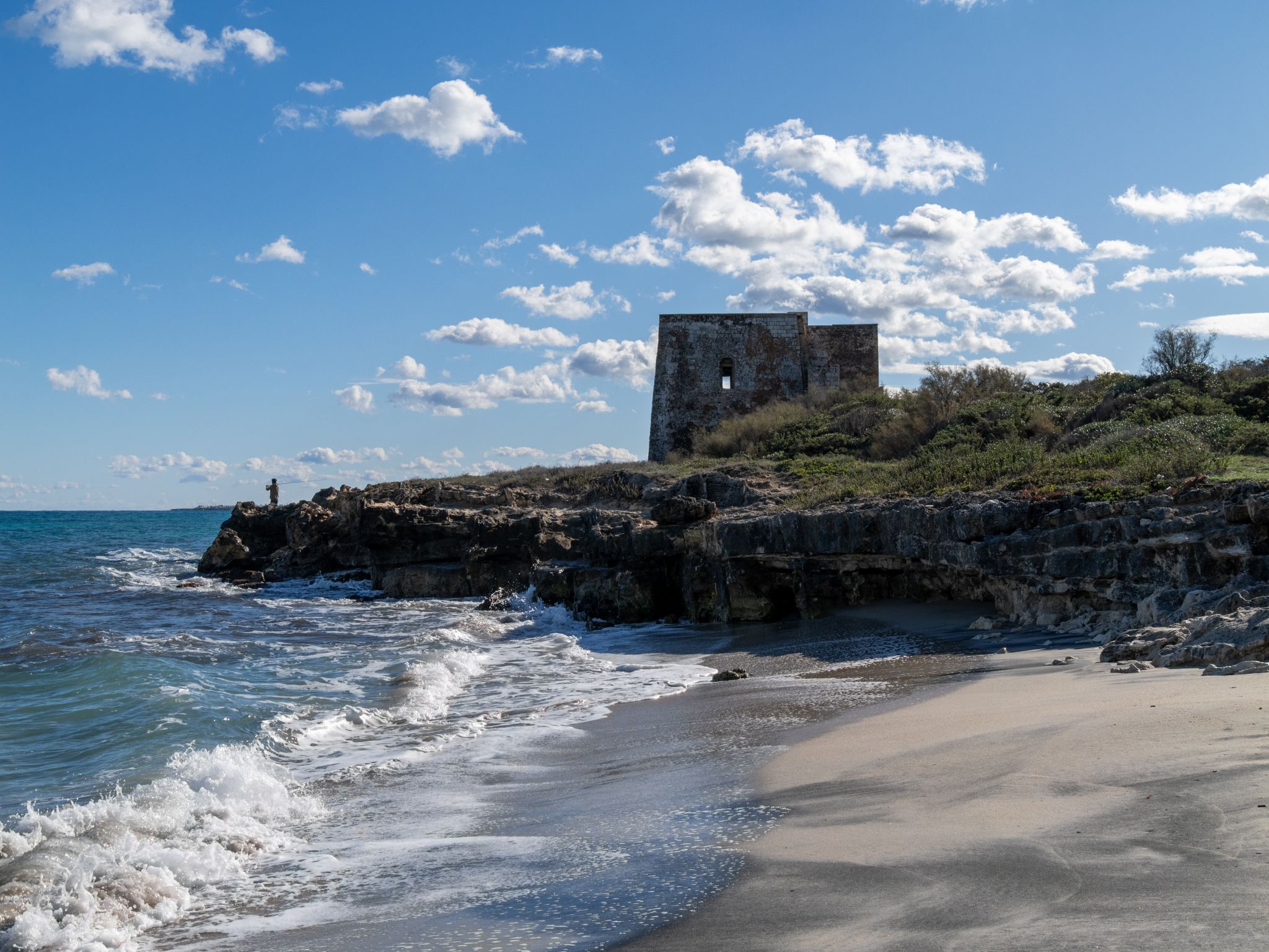
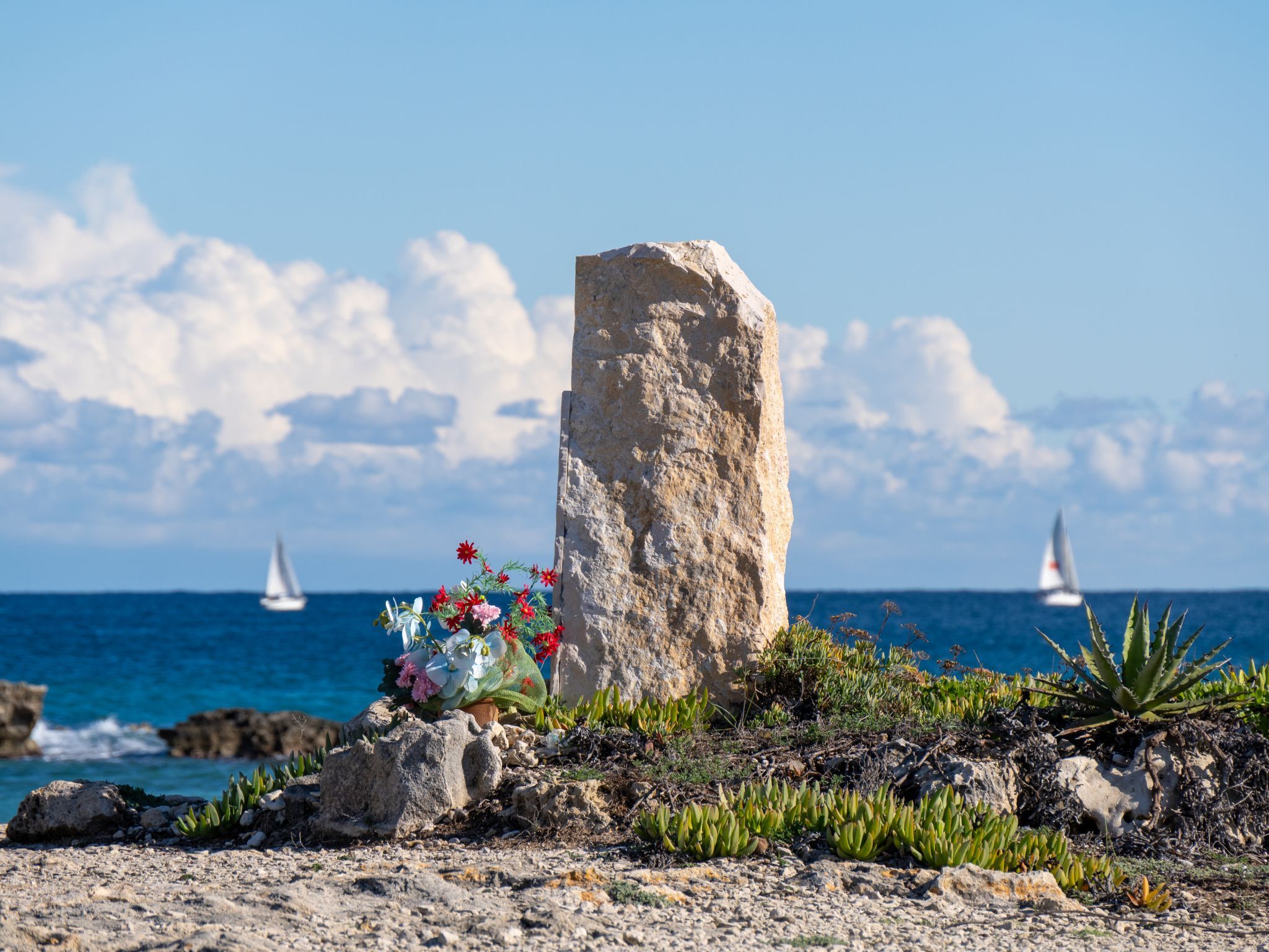
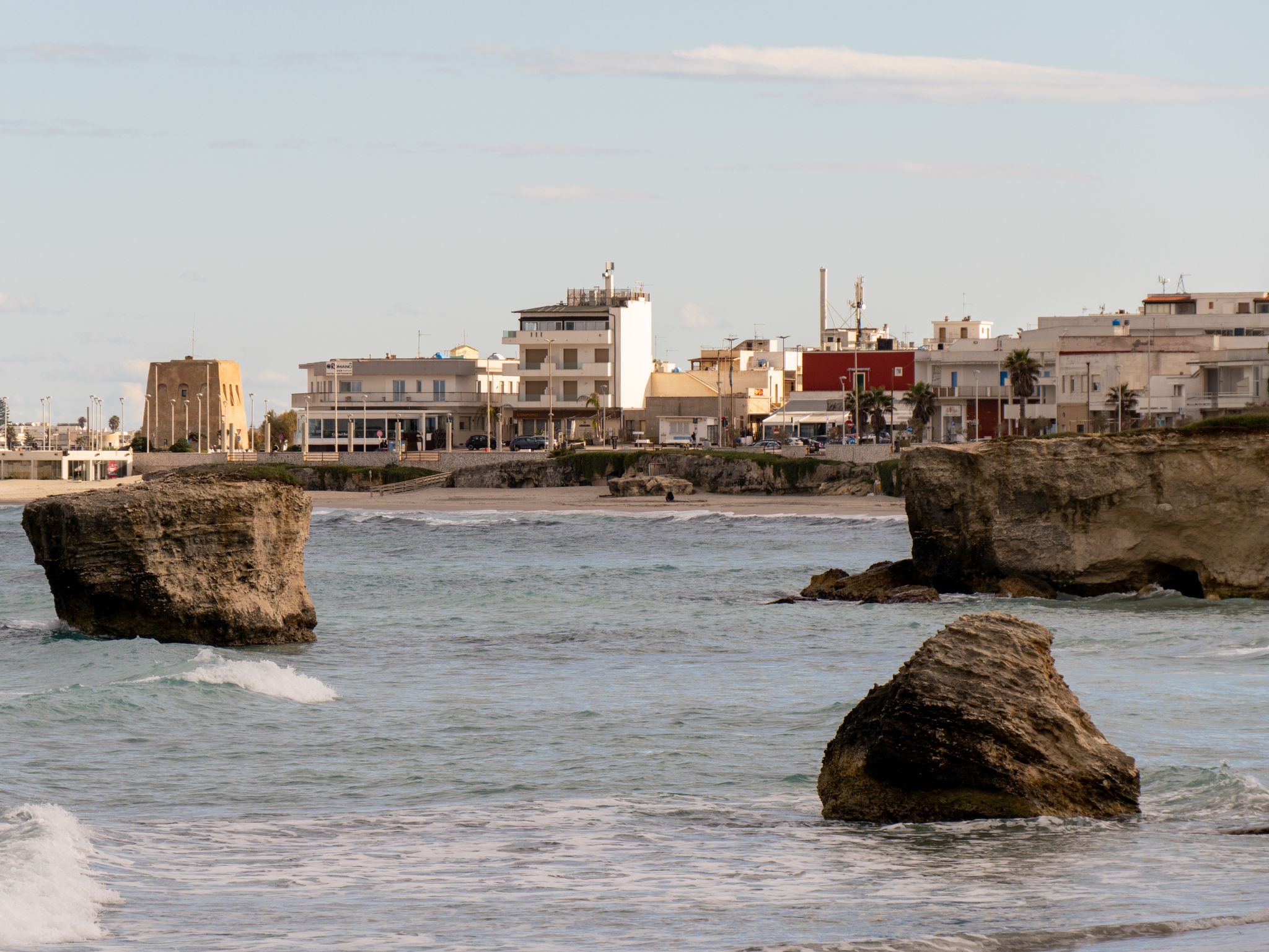
Stage 2: Ghost Towns and Dreamy Beaches
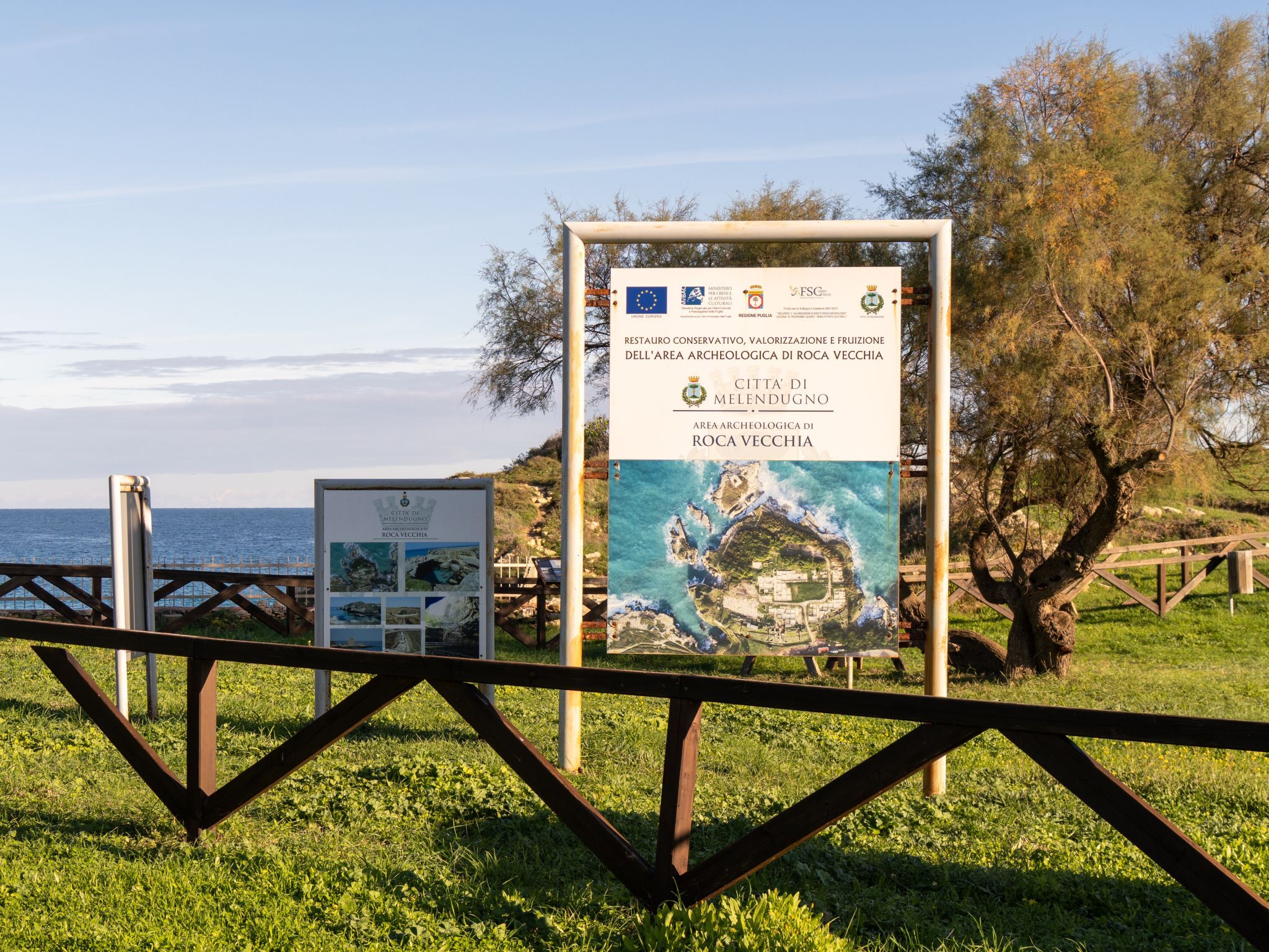
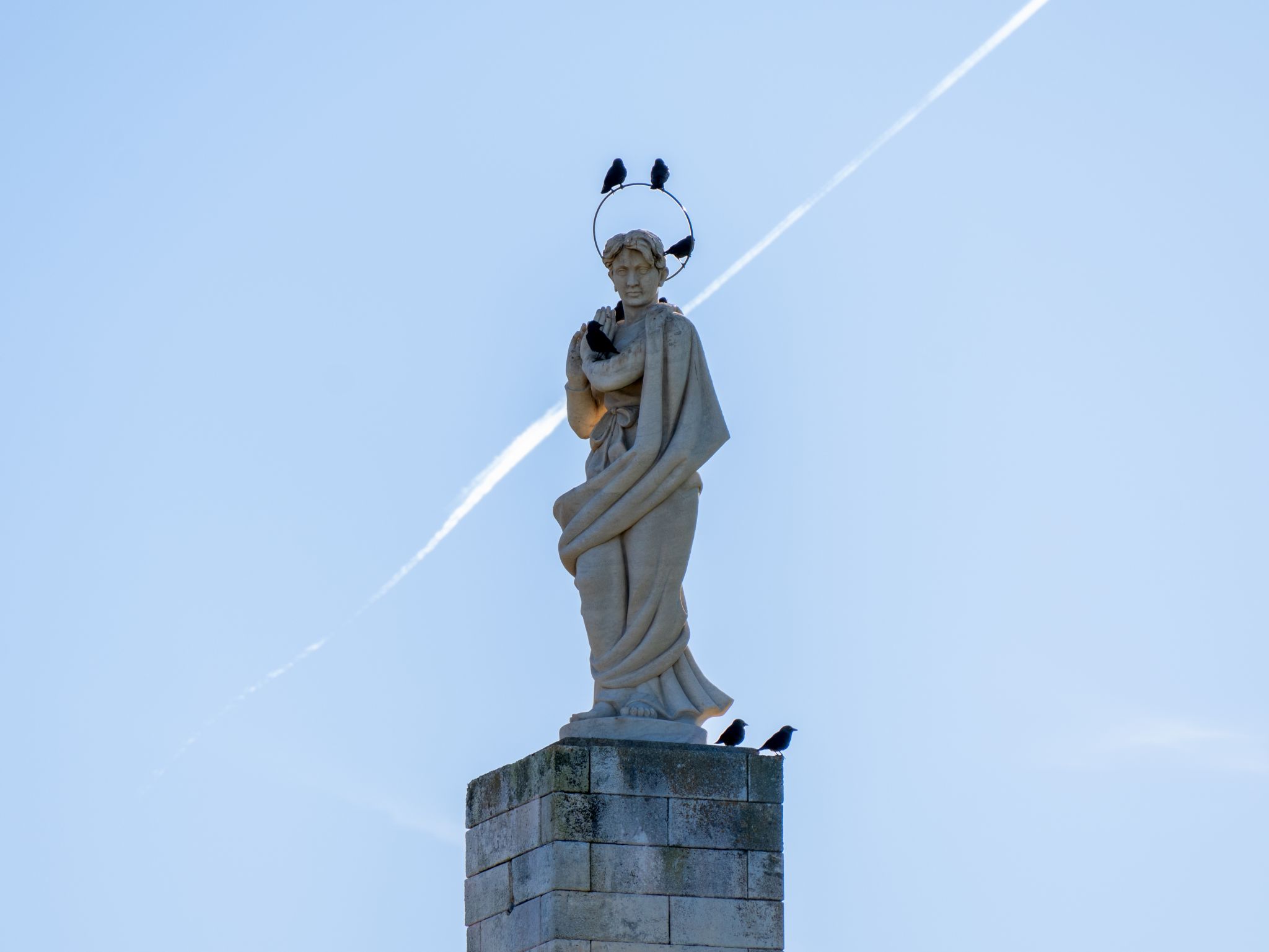
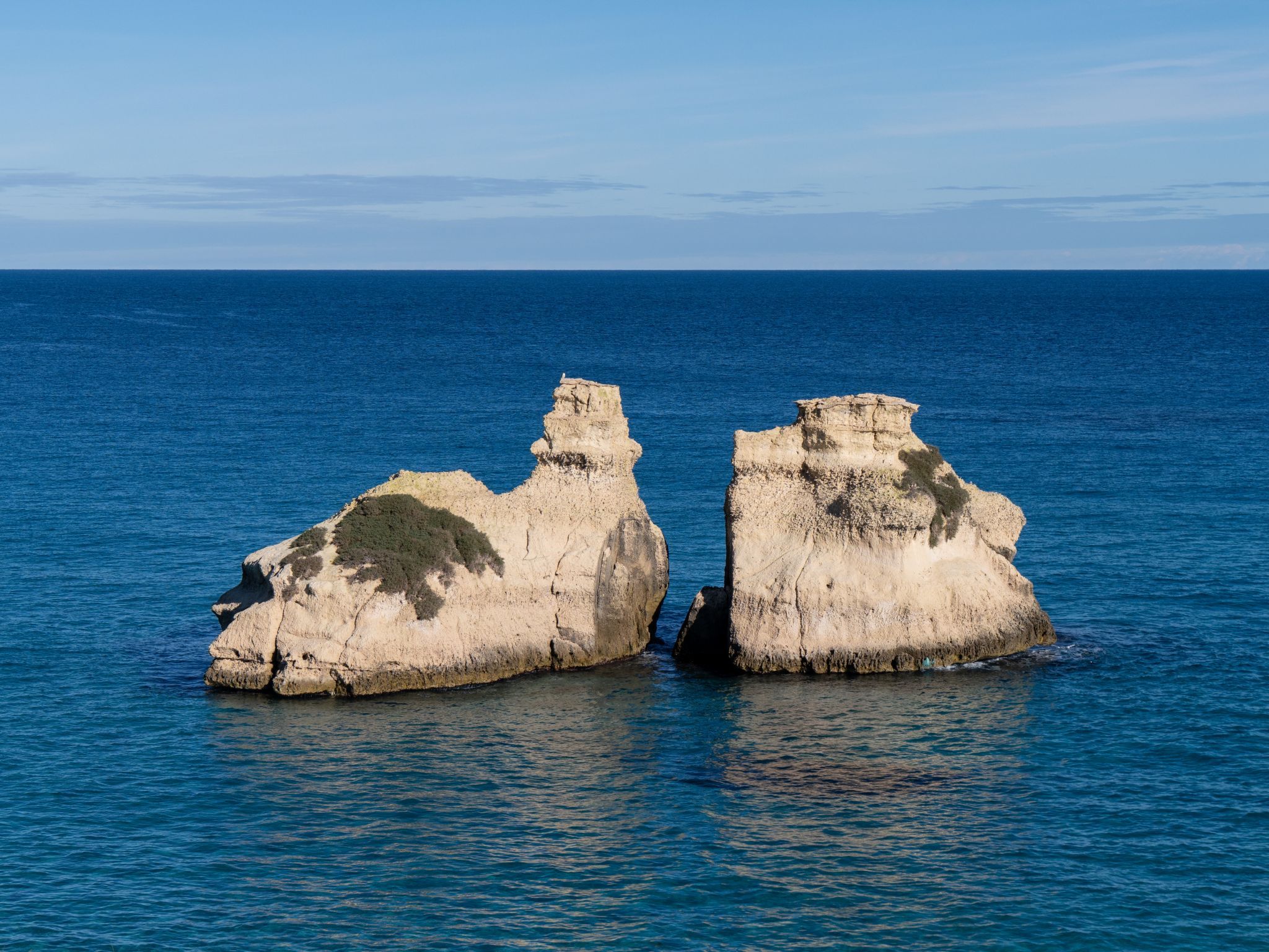
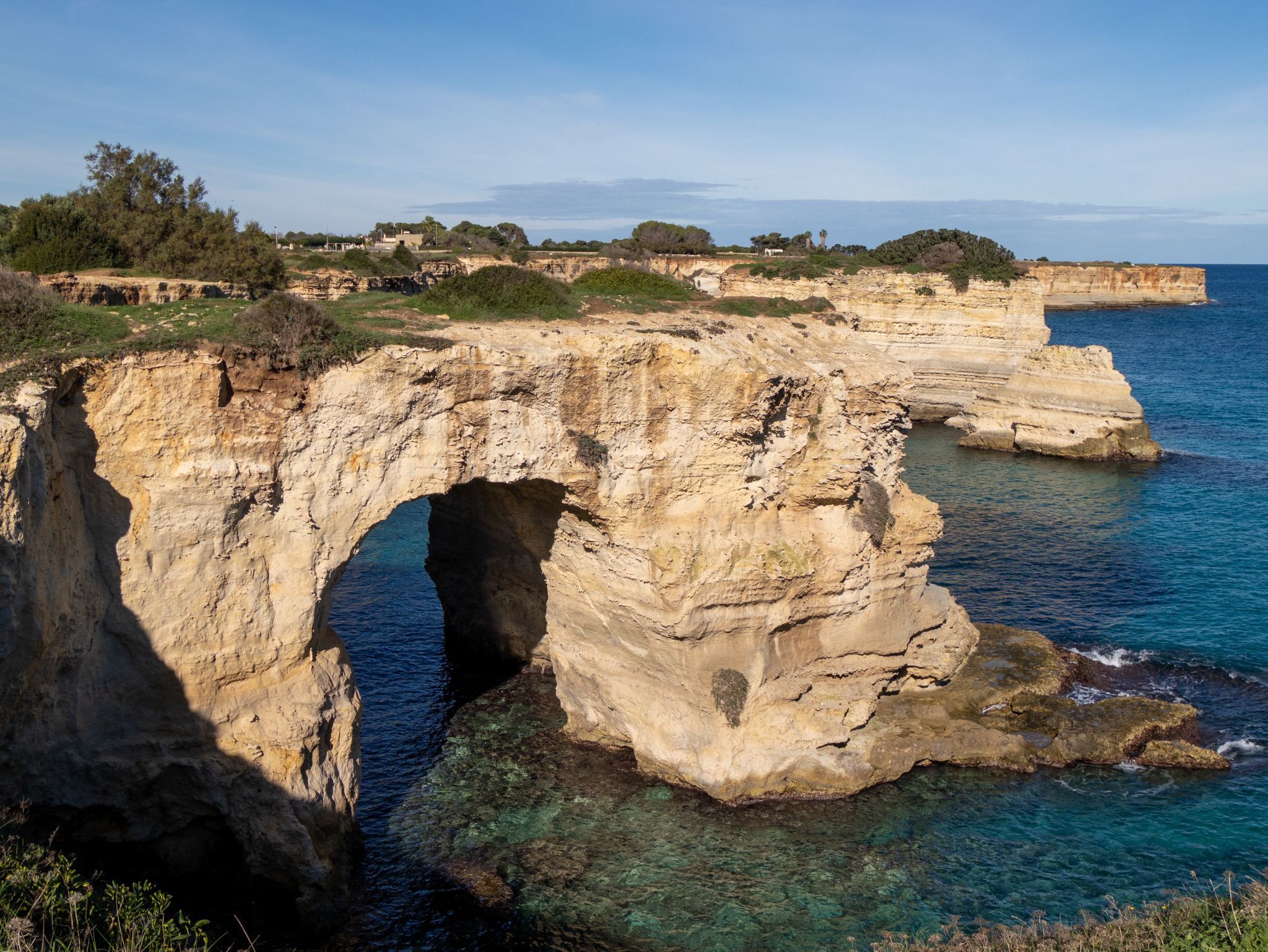
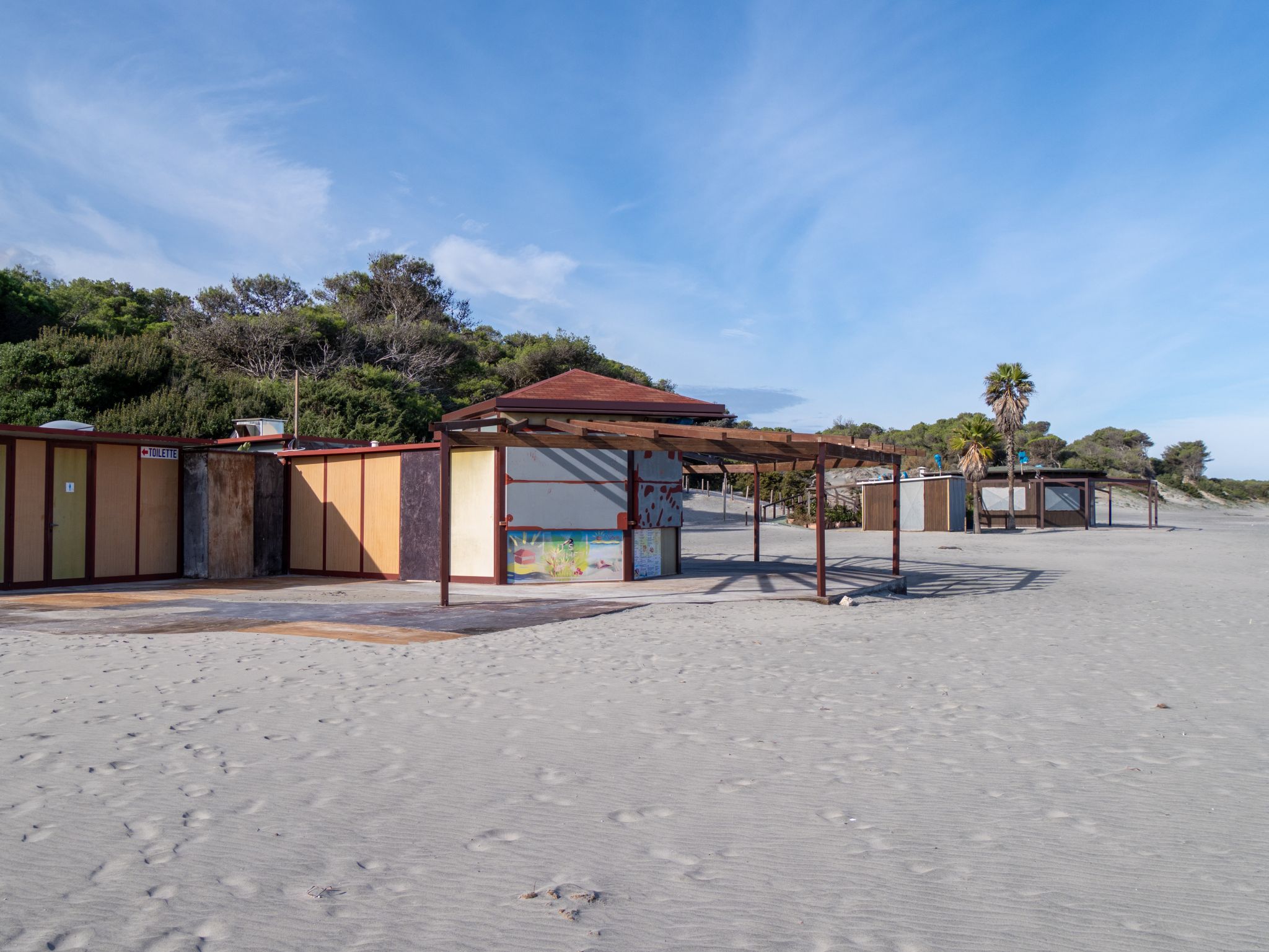
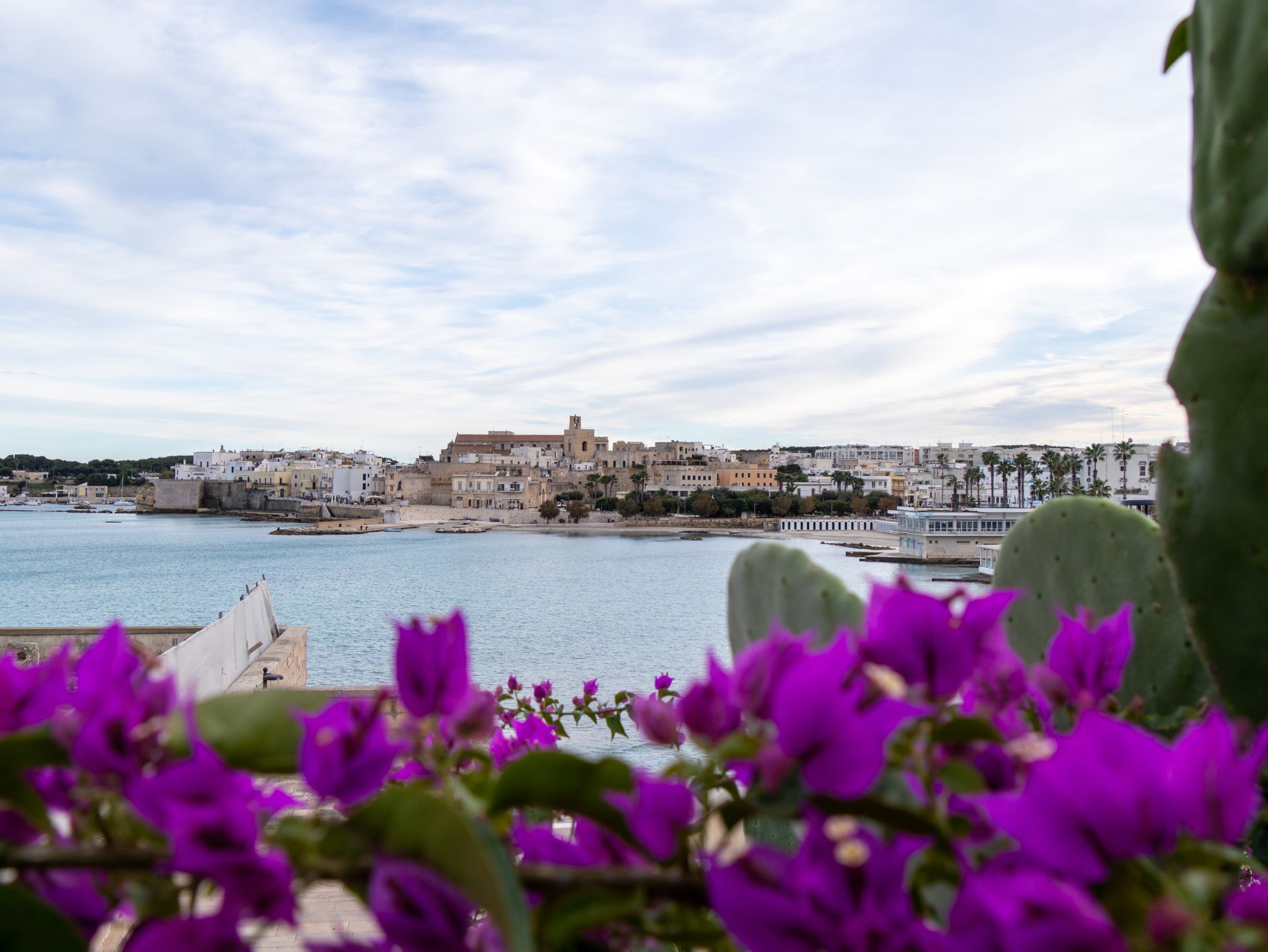
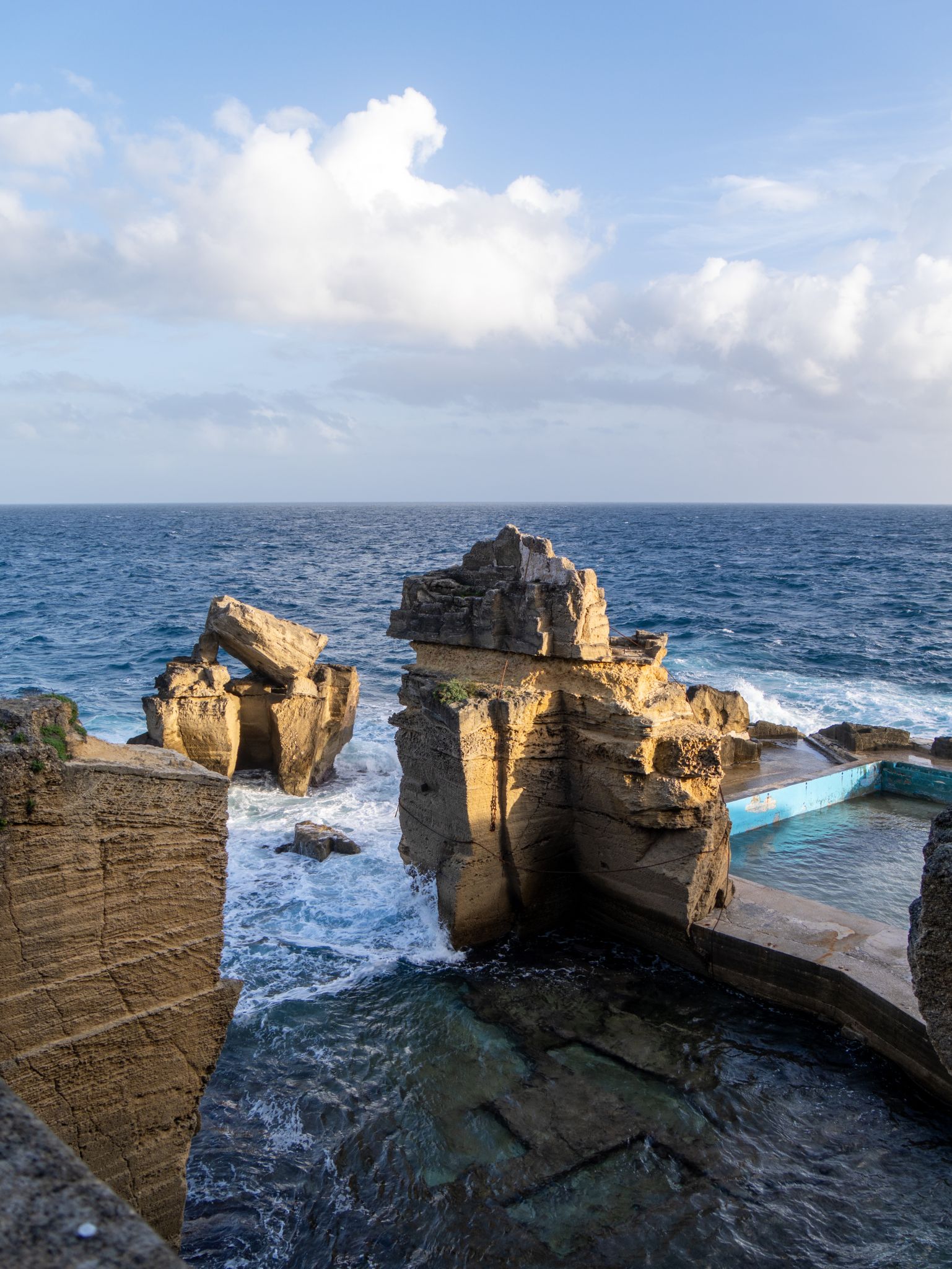
The coast in November has a unique atmosphere. Places like San Foca or Torre dell’Orso feel almost like ghost towns, since many shops are closed. But that has the advantage that you have sights like the Roca Vecchia or the “Two Sisters” (Due Sorelle) almost all to yourself. The landscape is constantly changing: One moment you’re walking through shady pine forests, the next right along the beach or over cliffs. I liked the second day much better. The stage destination, Otranto, was also much livelier than San Foca. The old town is picturesque, so after the short stage, you can easily take some time to look around and perhaps visit the castle (admission €3).




Stage 3: Otranto – Castro & “Scotland Vibes”
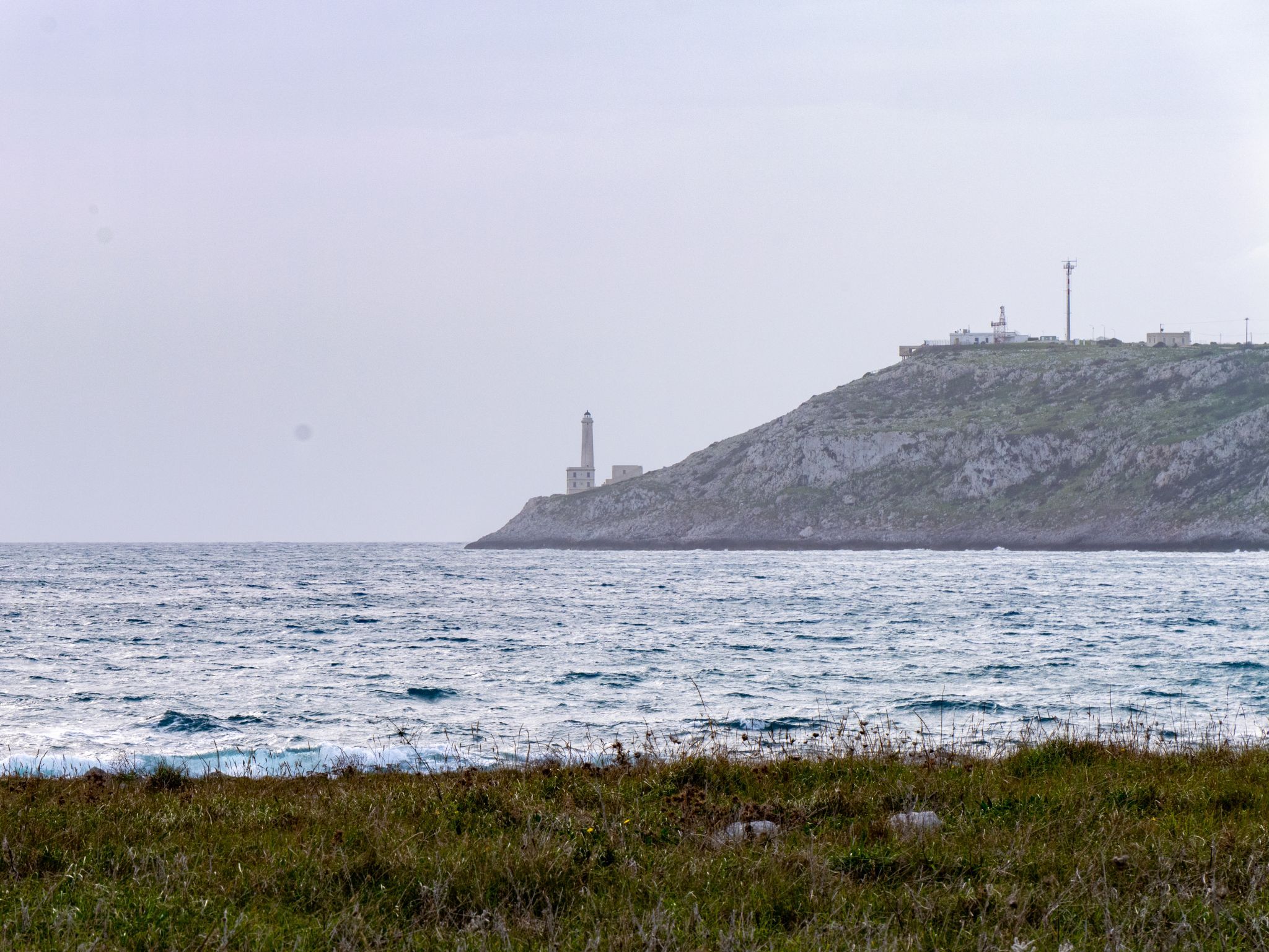
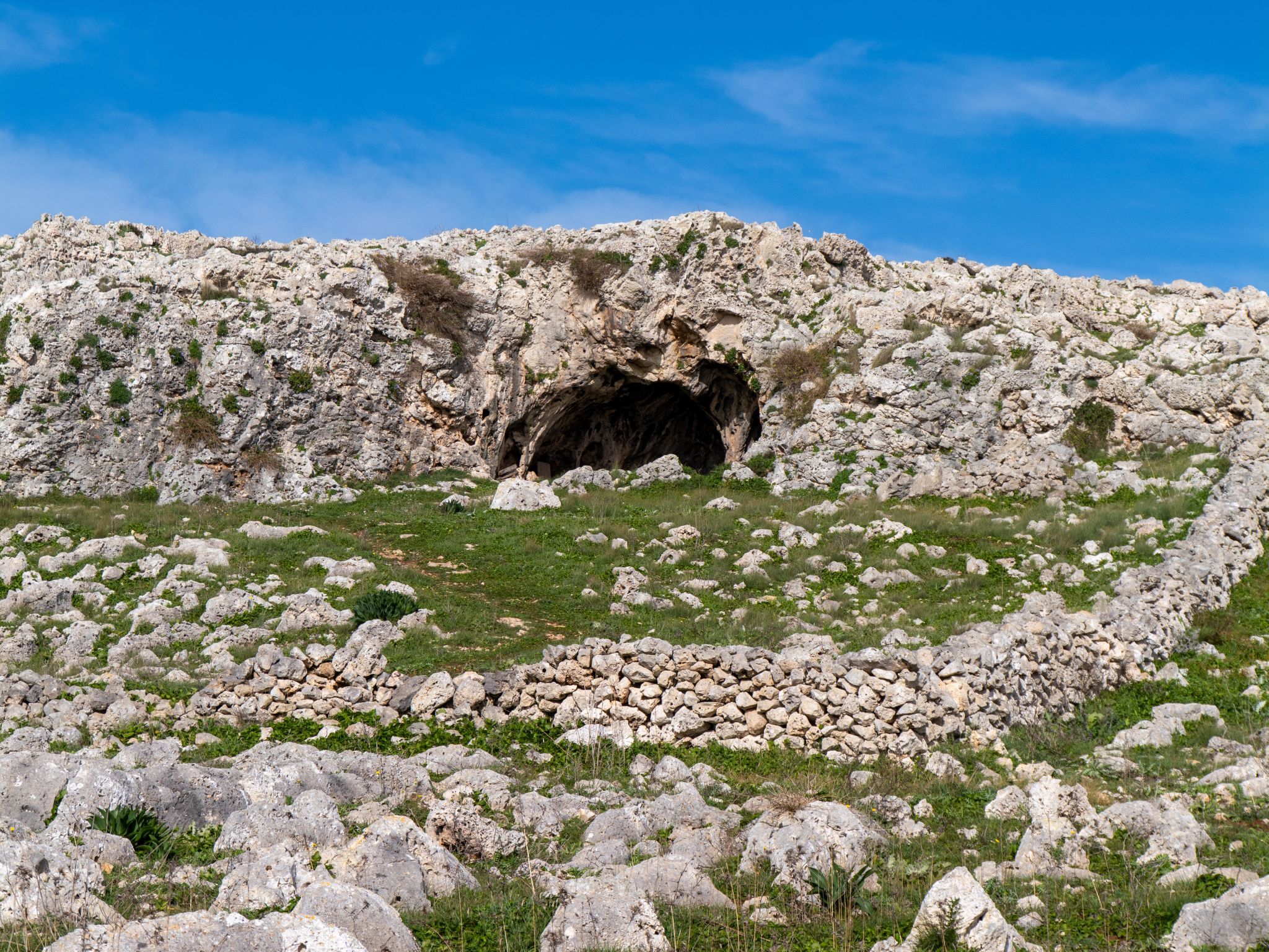
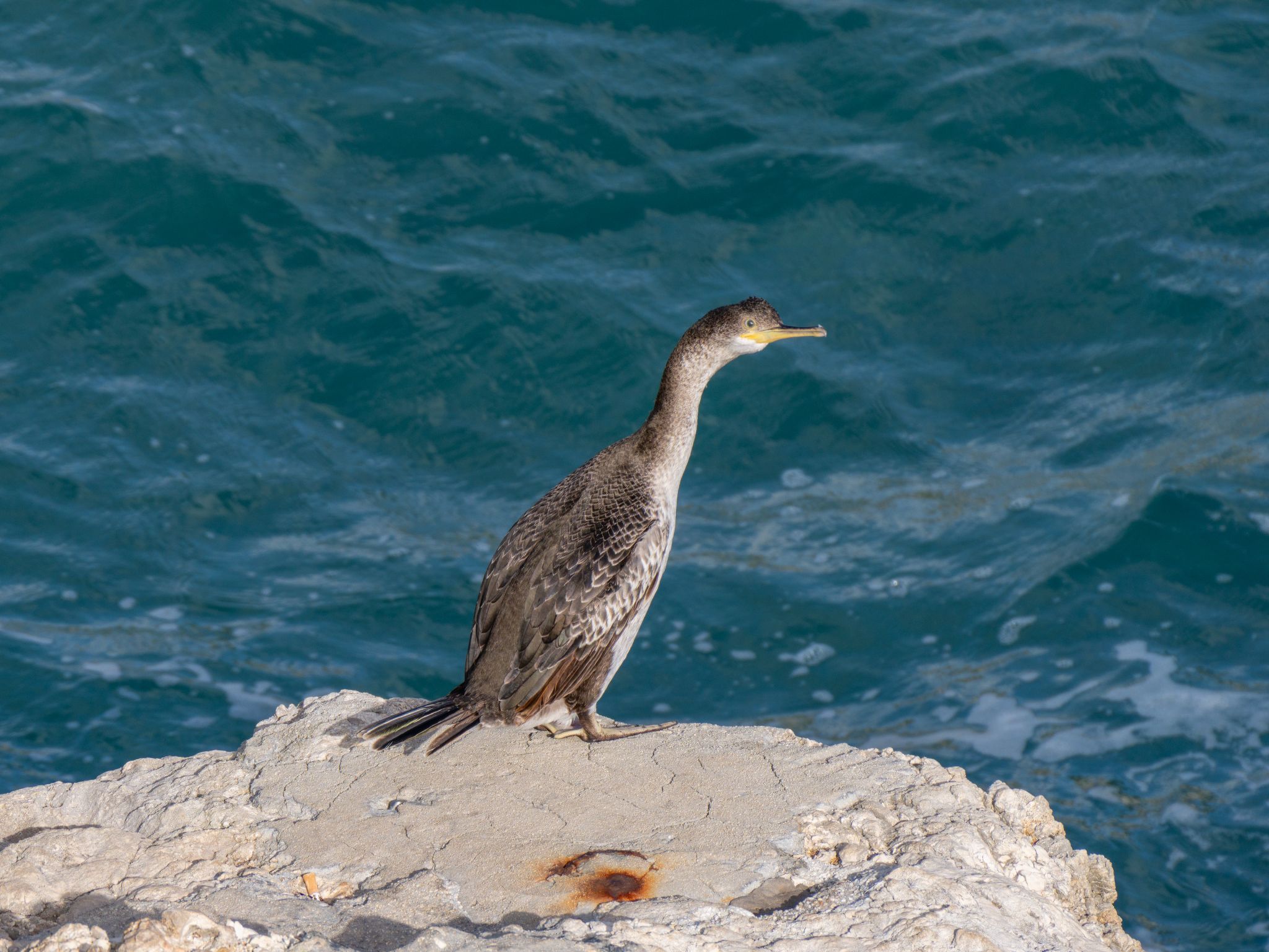
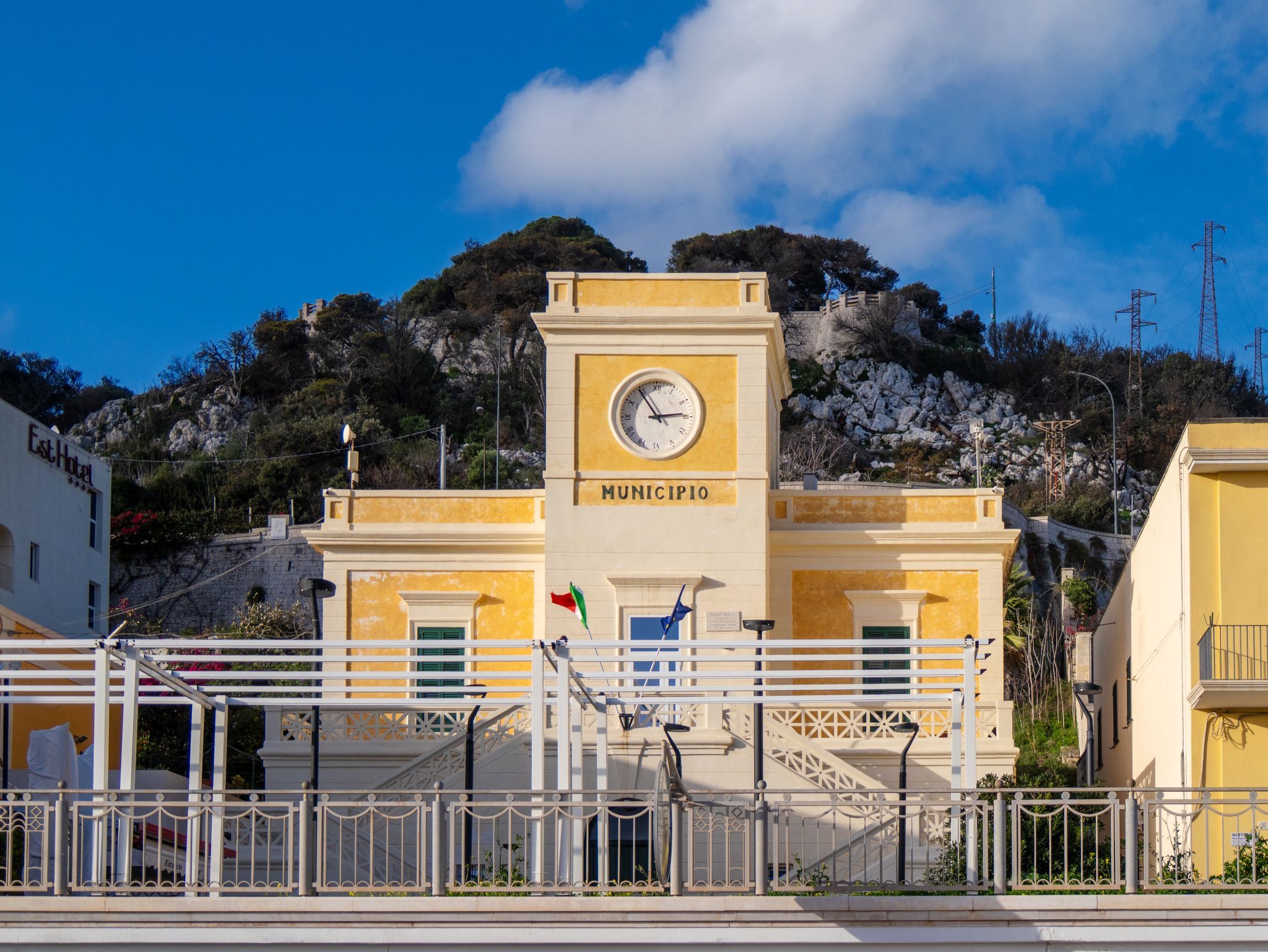
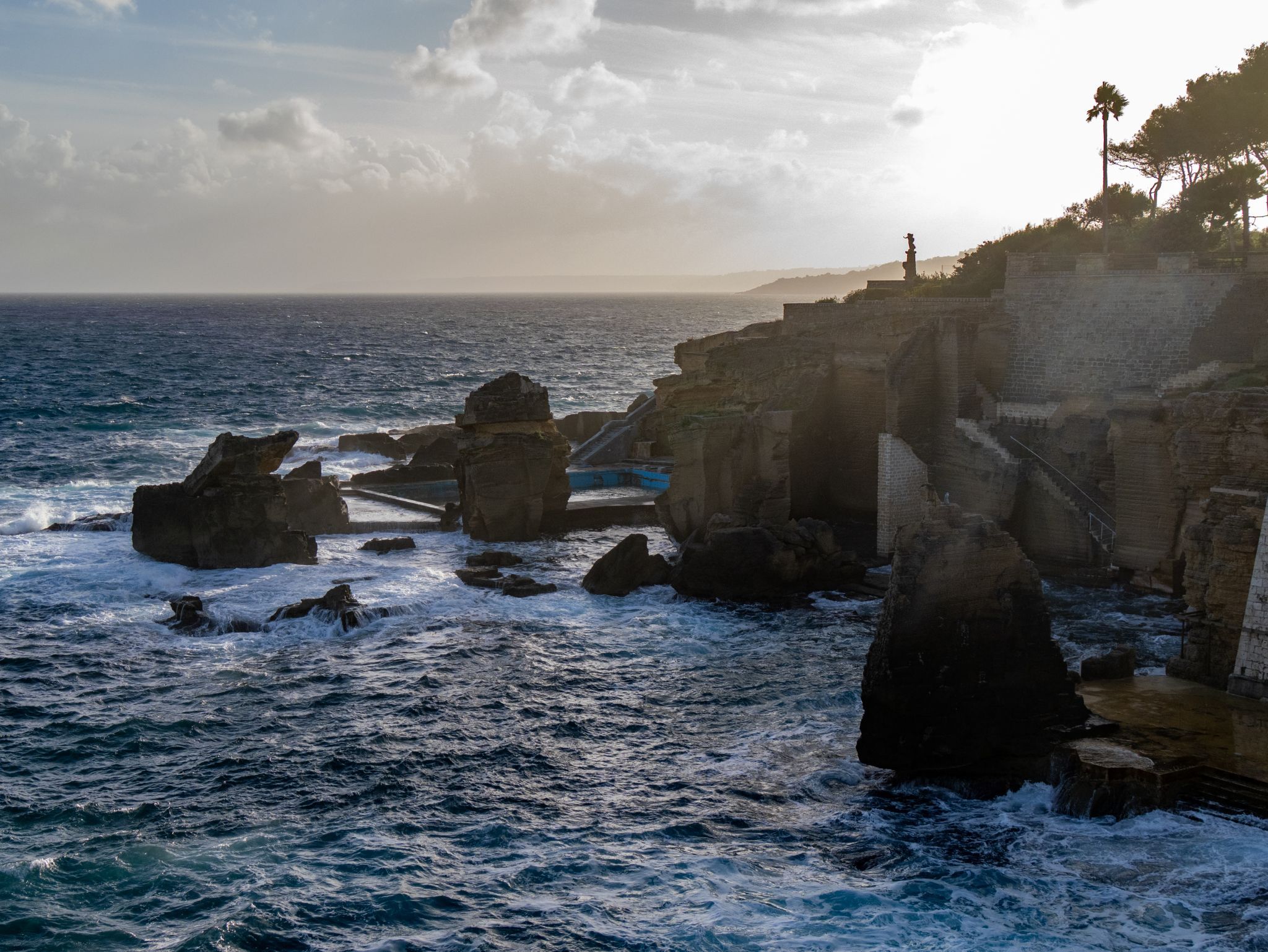
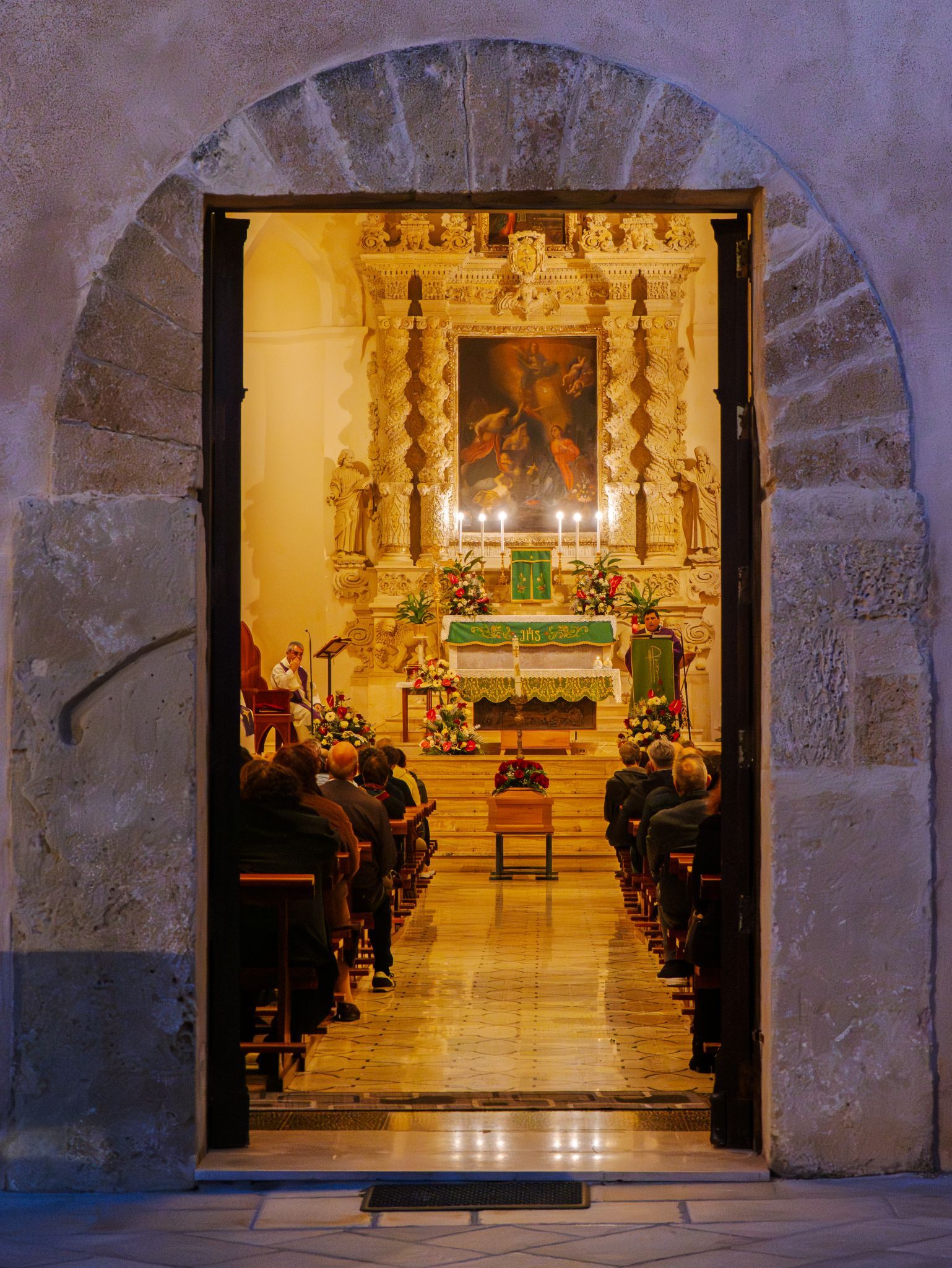
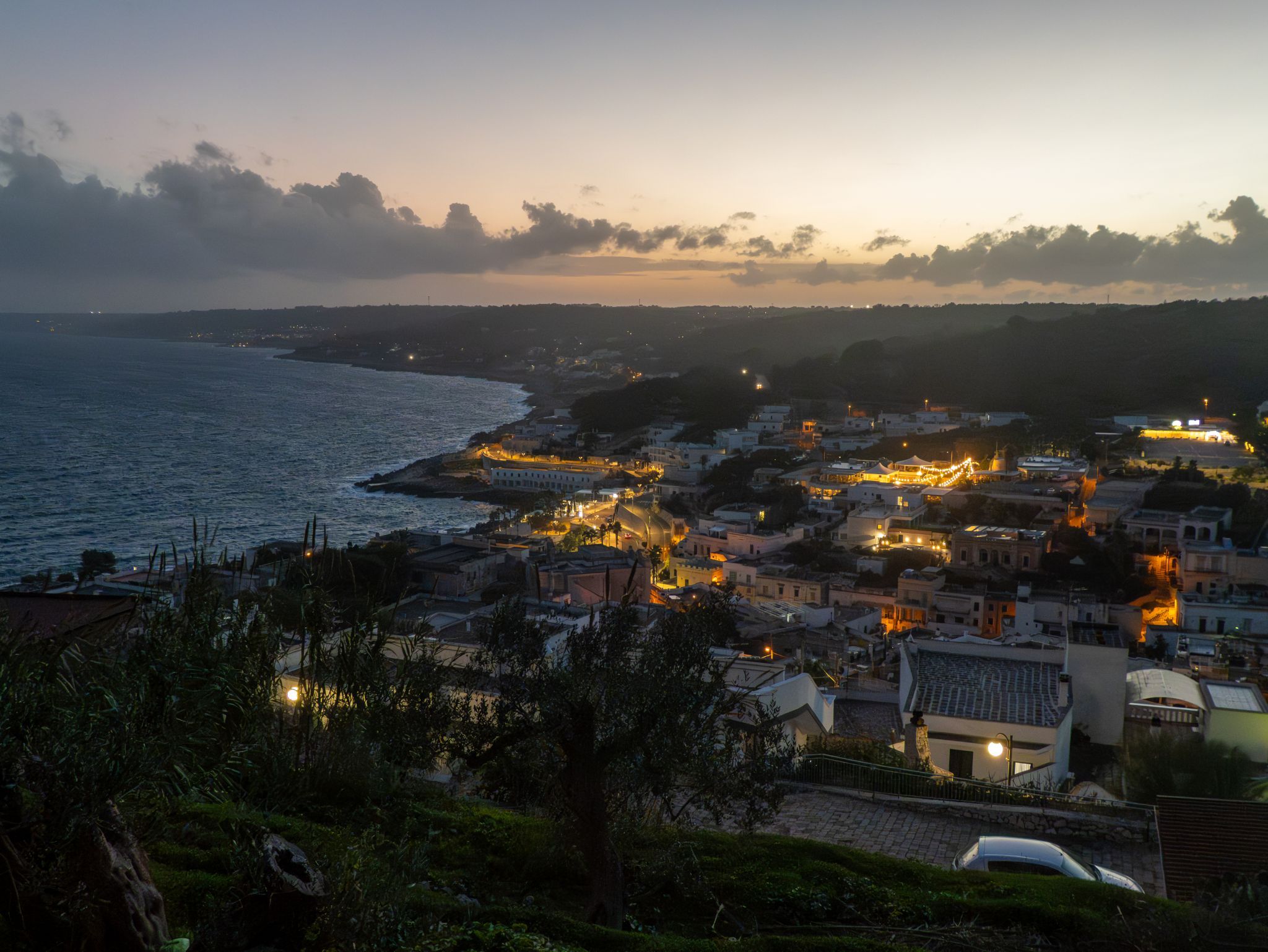
Once you leave the harbor in Otranto, the trail changes character drastically. Instead of a sandy beach, a rugged, rocky coastal hike awaits you. With strong winds and a gray sea, I felt at times more like I was in Scotland than in southern Italy—as far as I can tell, as someone who has never been to Scotland. The day ended for me after 31 km in Castro. Castro has a beautiful old town, through which I was able to stroll at dusk on my way to my hotel at the harbor.





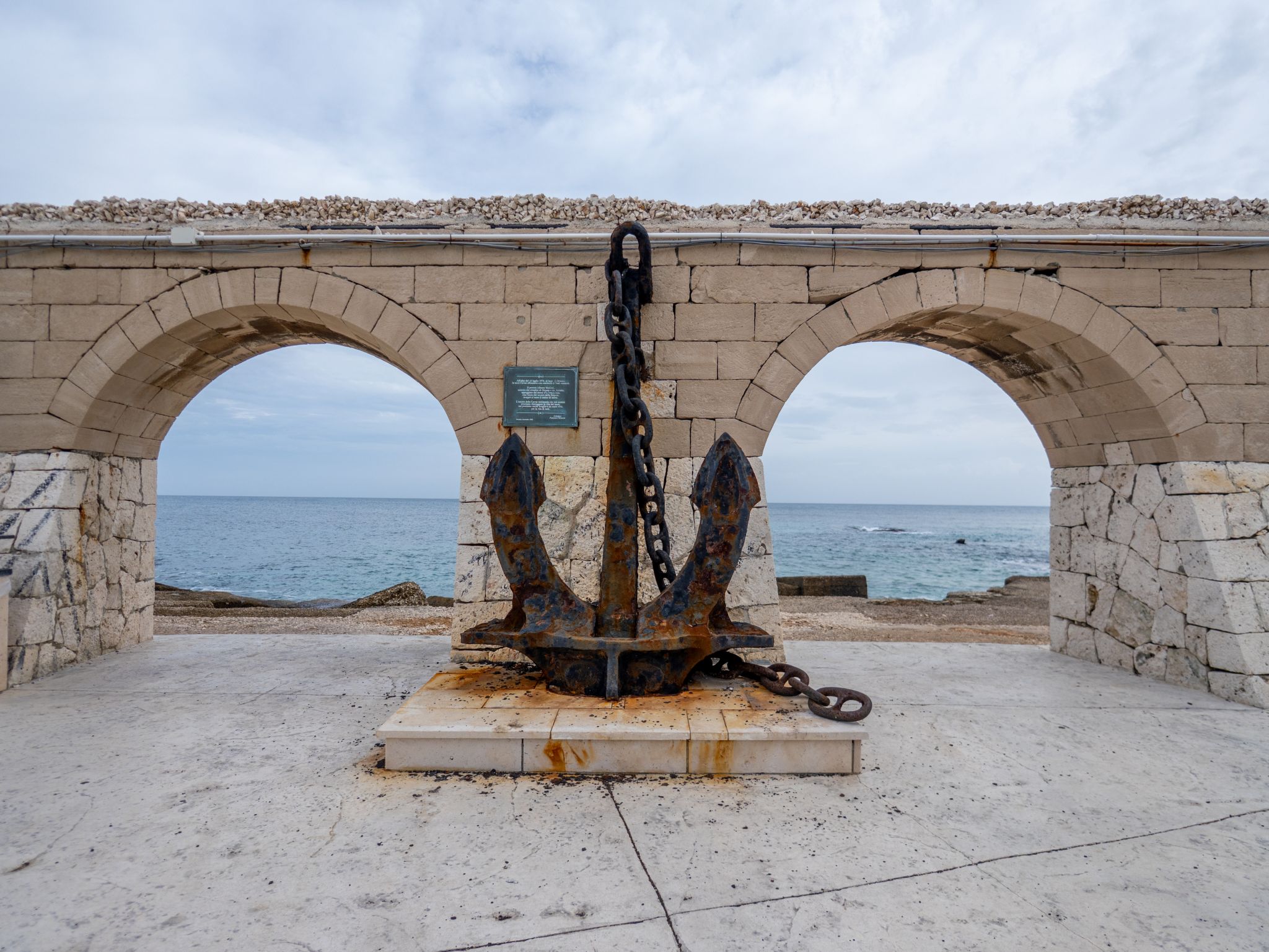
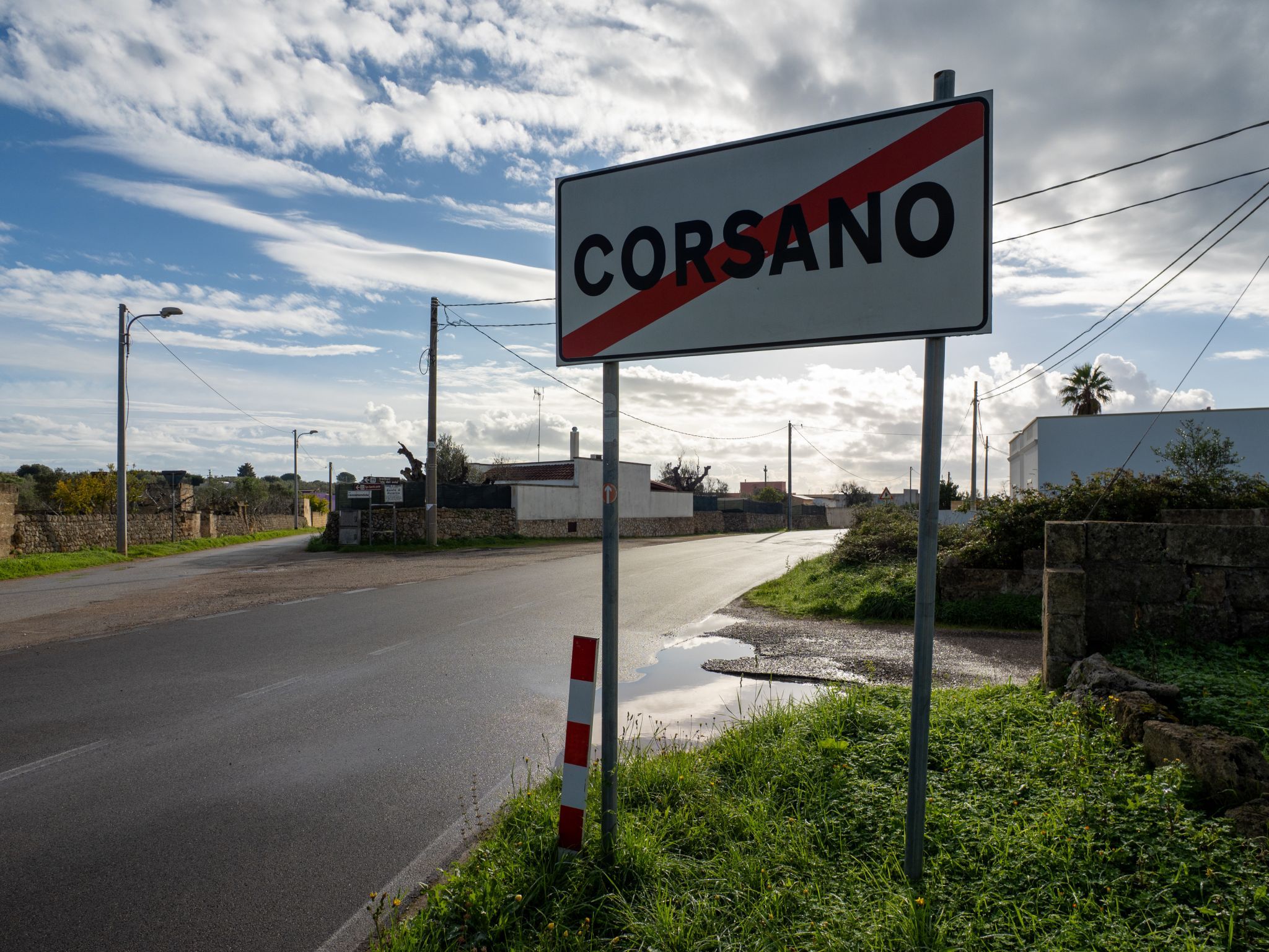
Stage 4: In the Rain to Corsano
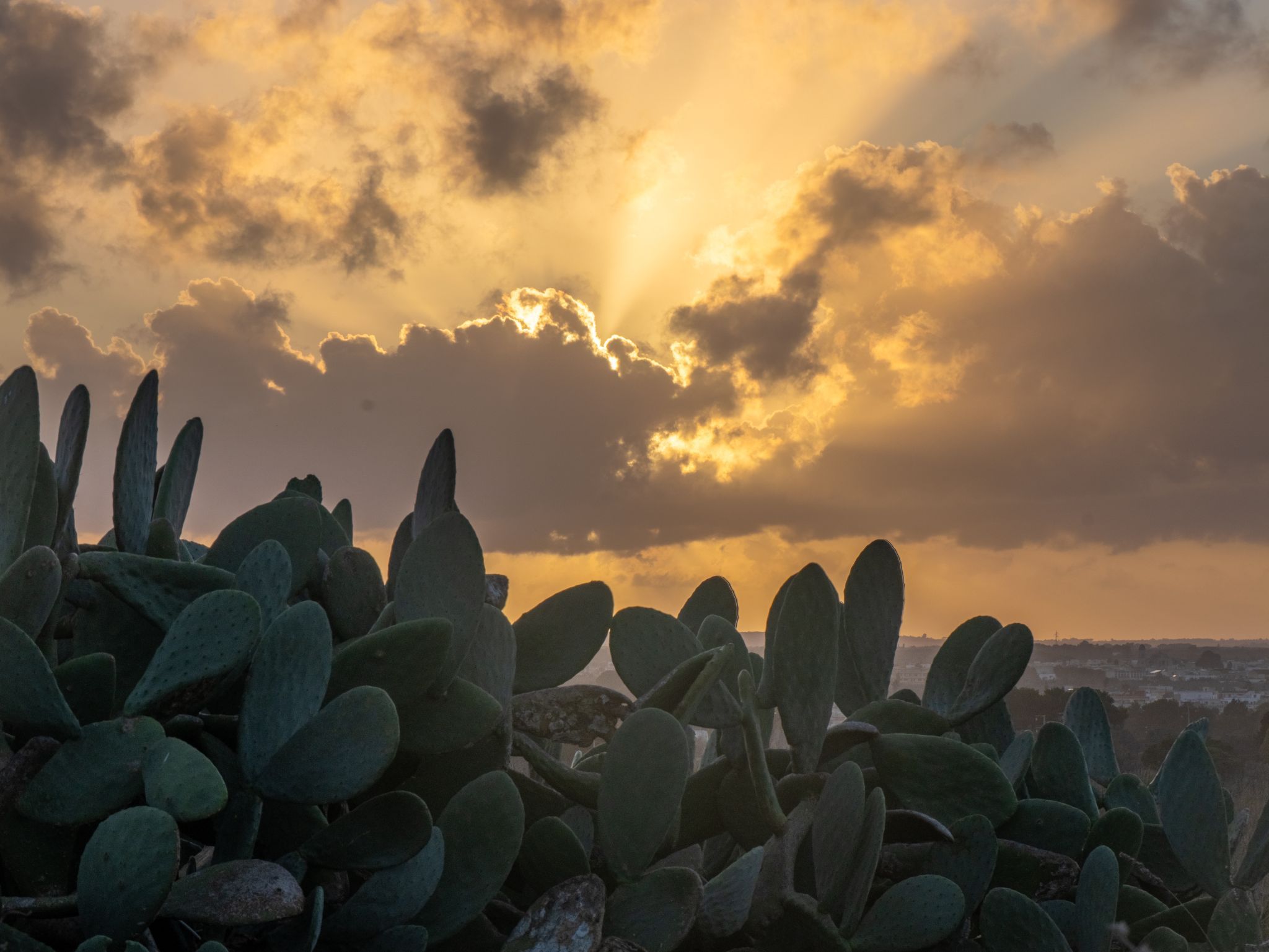
After the harbor, the path along the beach was incredibly rocky, always running parallel to the road through the village. It was really slow and tedious to walk—and in the rain, too. If it had been possible to climb up to the road without any problems, I might have done so, but often there were 1–2 rows of houses or private property in the way. The path finally ended in a picturesque cove and then led steeply uphill. The rest of the day took me again along a mix of gravel paths and through deserted coastal villages to Tiggiano, before heading through very urban areas to my destination for the day, Corsano.

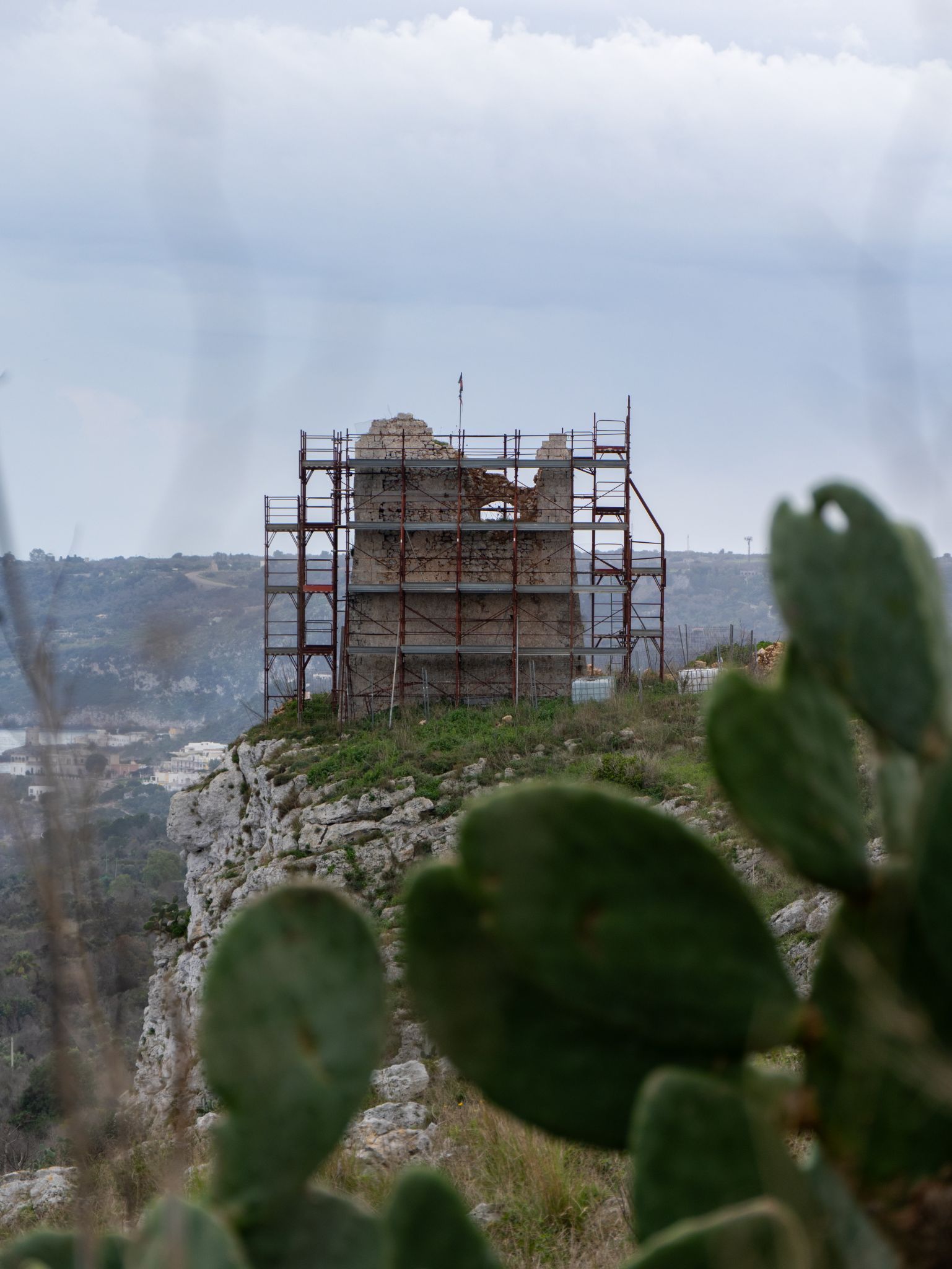
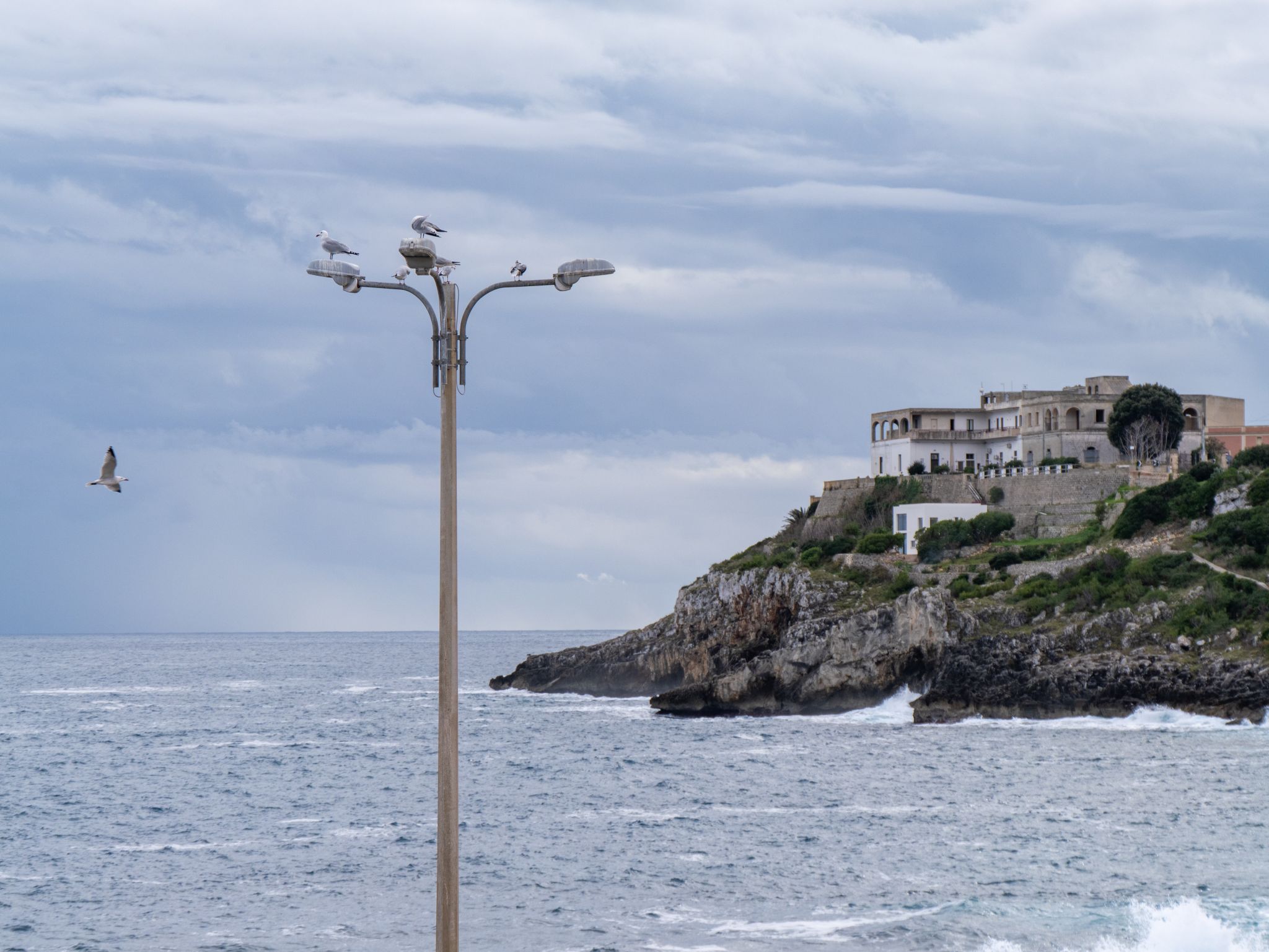


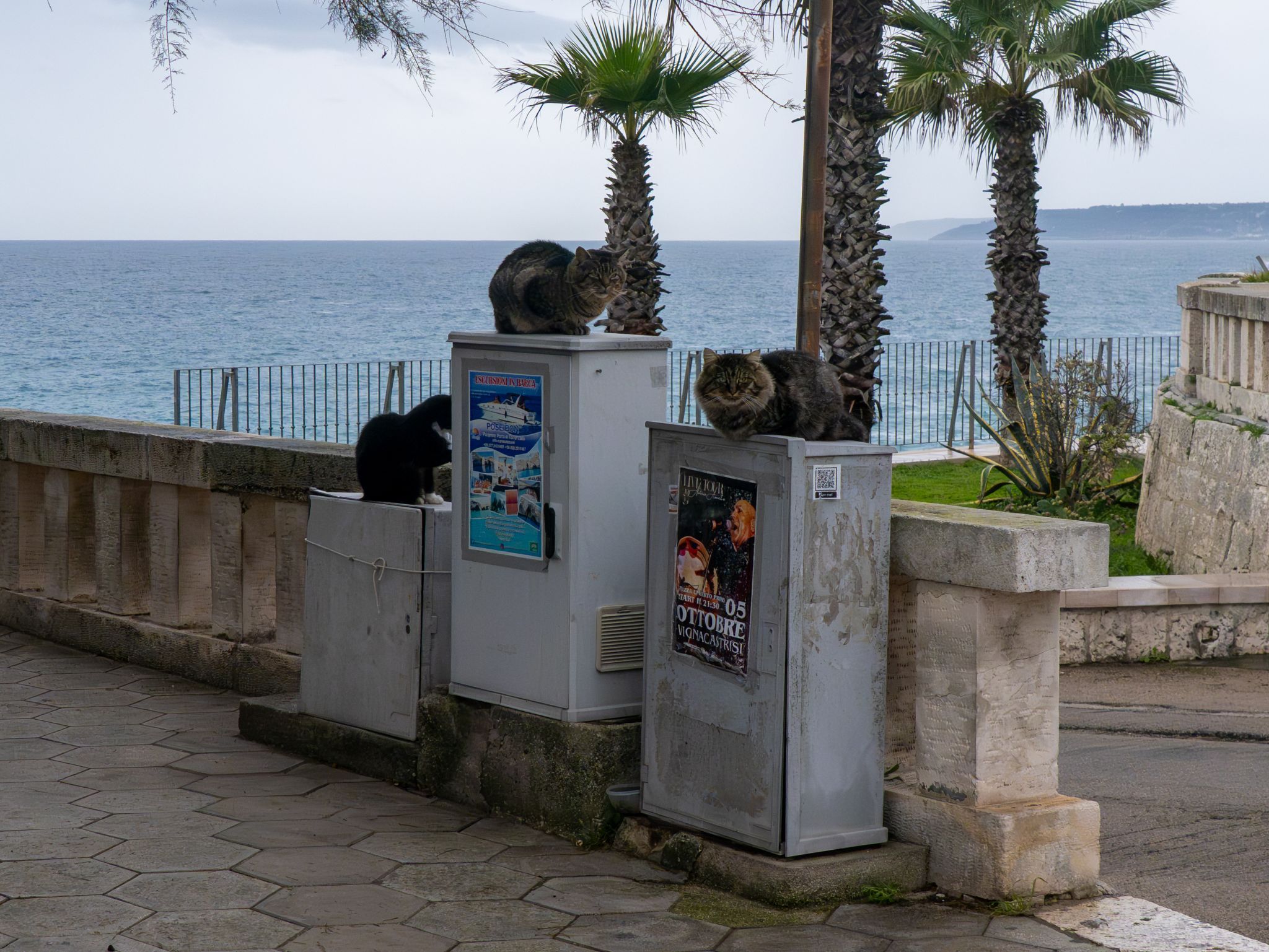

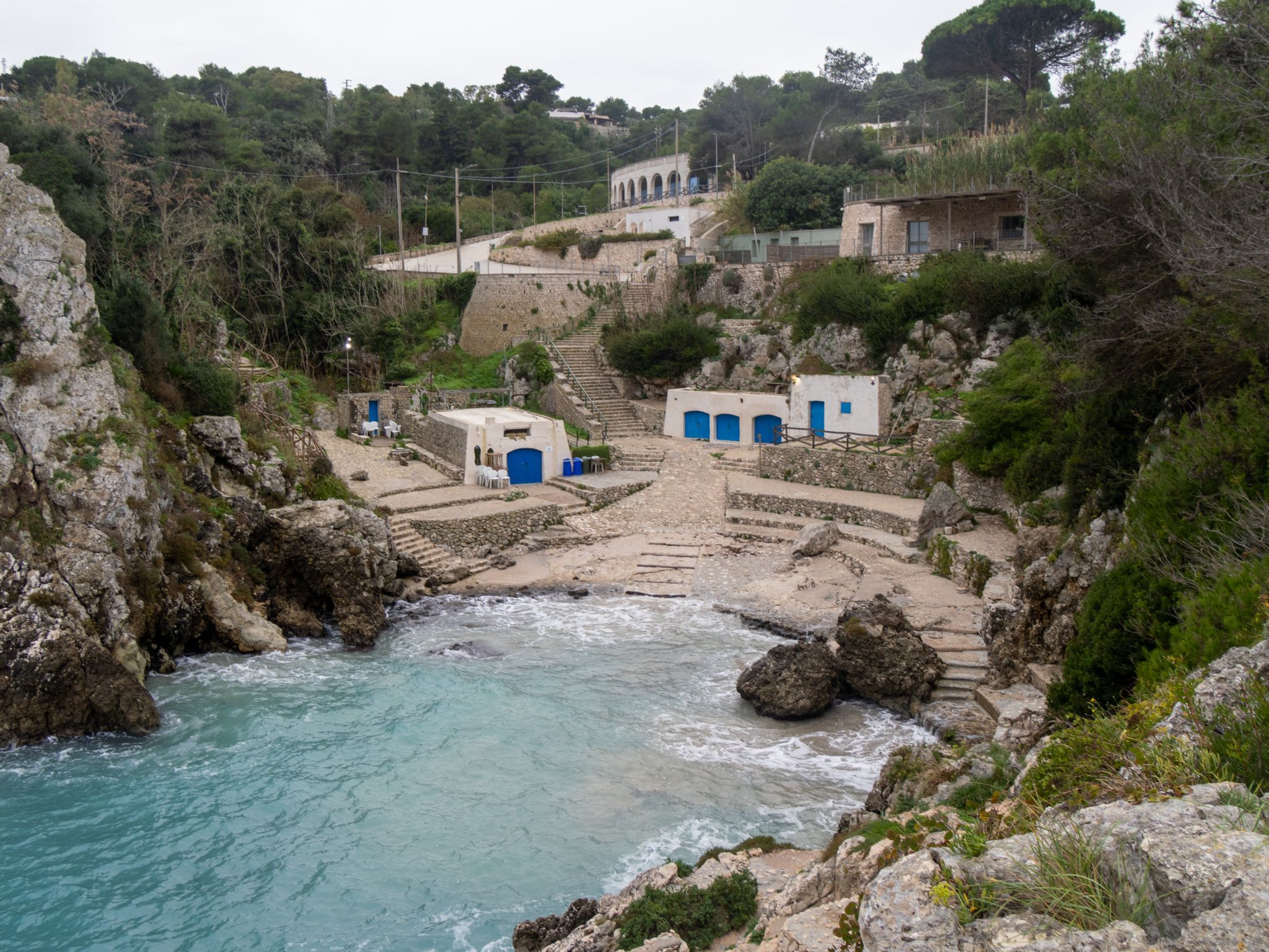
Stage 5: On the Way to the End of the World
The day started just as the last one ended: with asphalt. However, there were also a few really cool sections in between that might even be the highlight of the trail—like the hike along the Cipolliane Trail, which leads into the ascent through the narrow coastal bay of Ciolo. There, you can even forget for a moment that the last few meters to the lighthouse and the basilica in Santa Maria di Leuca are just along the road.
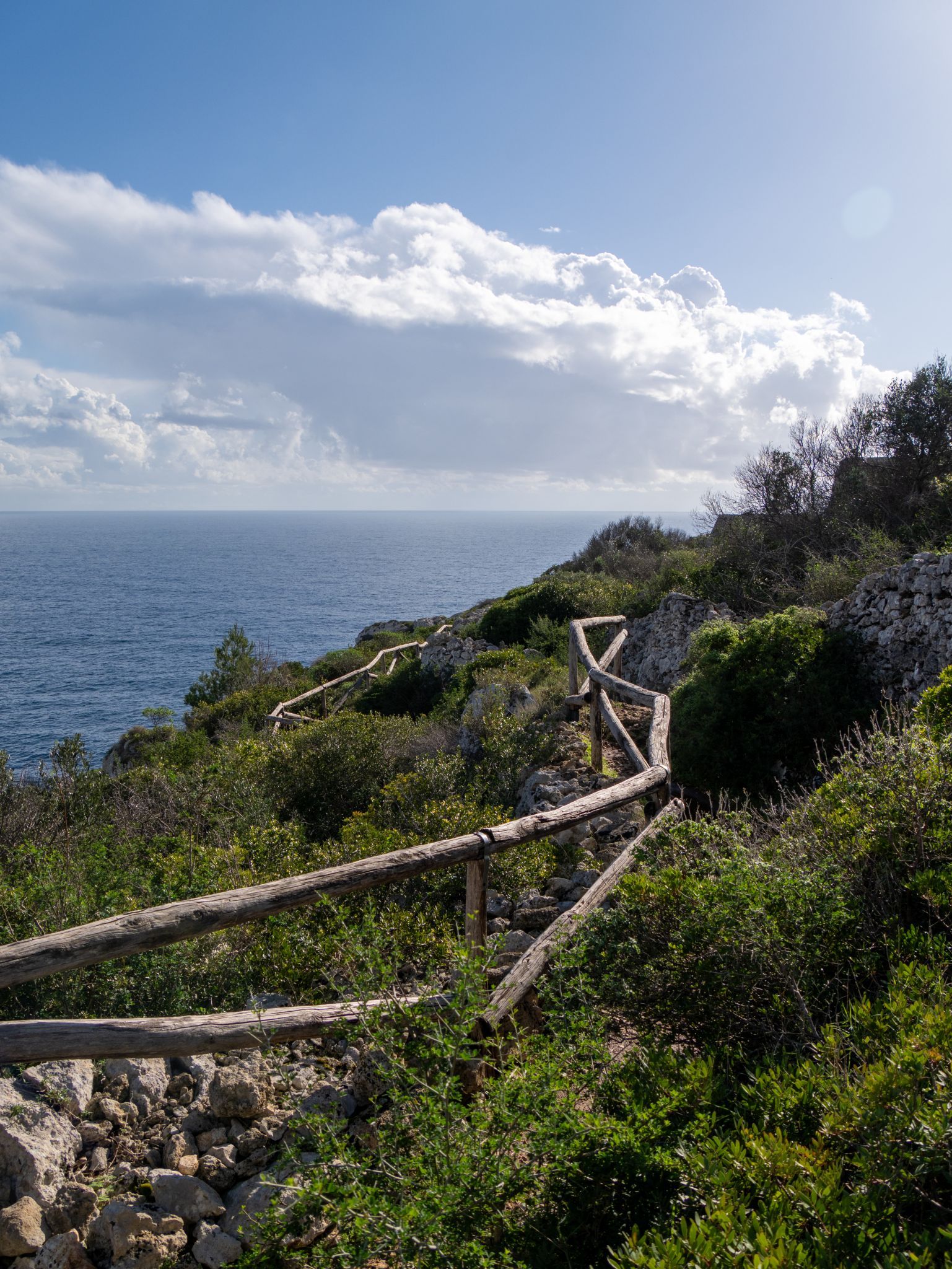

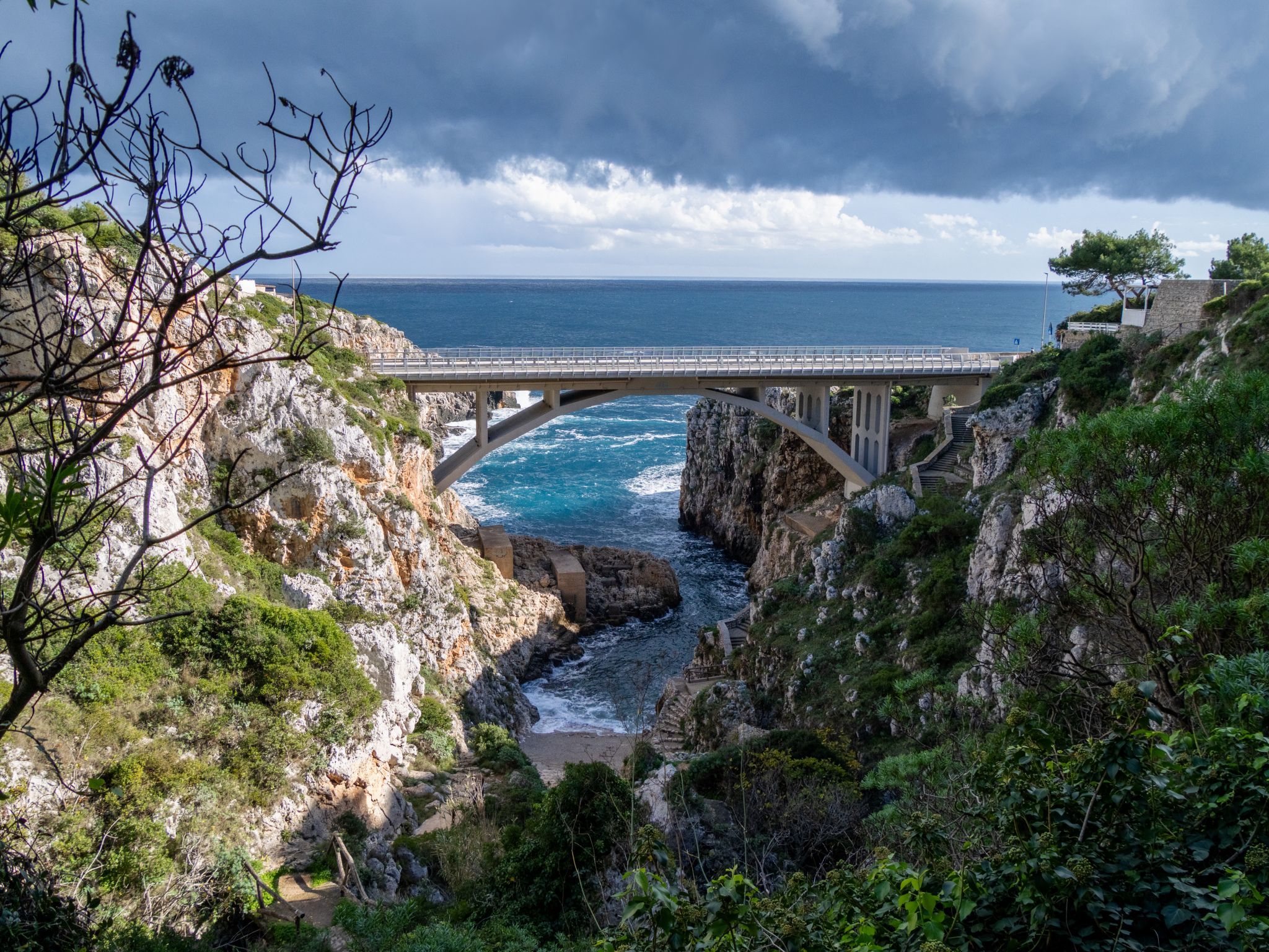

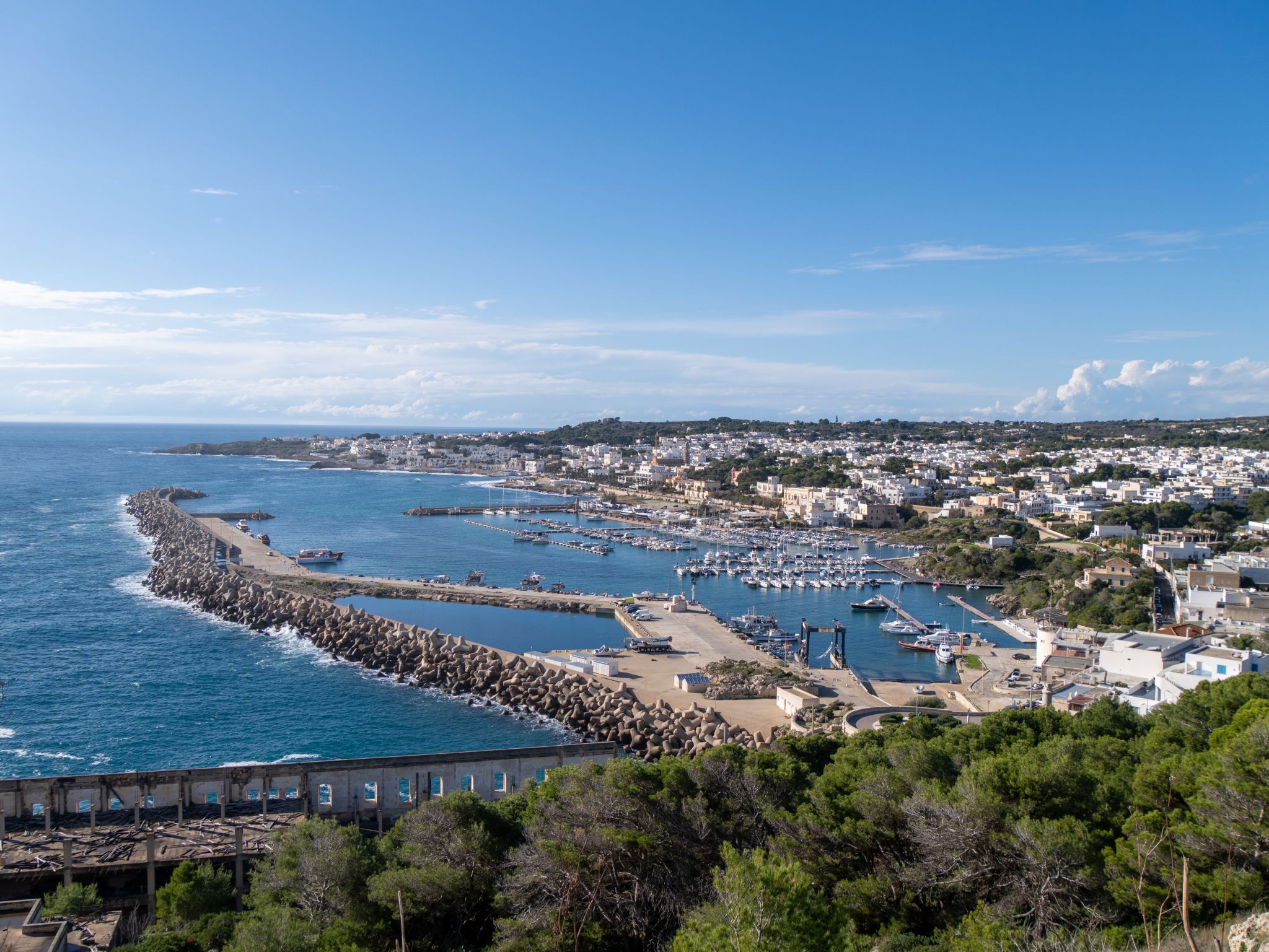
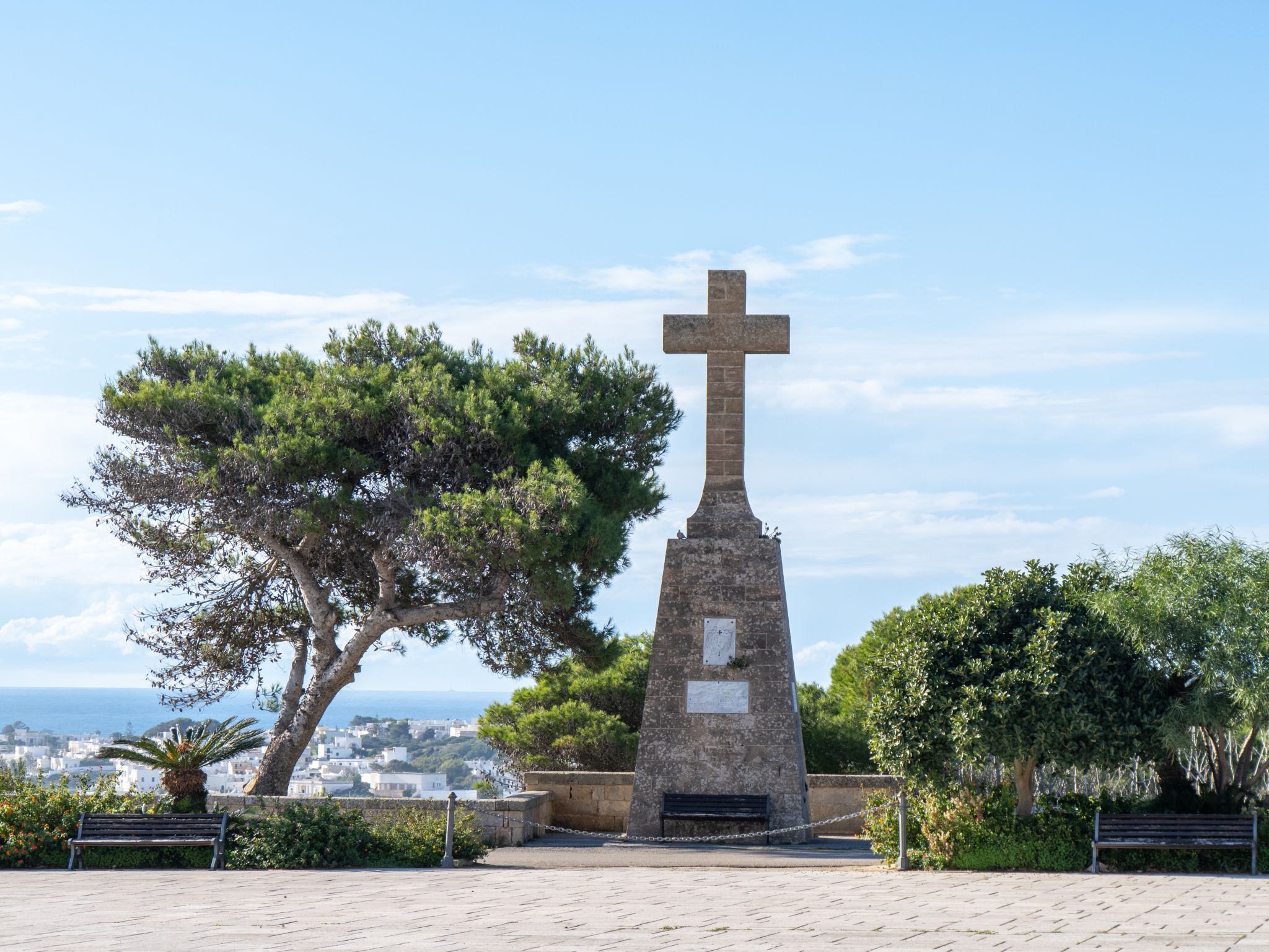
From here, I headed about 5 km inland again to the train station in Gagliano del Capo to continue my journey to Brindisi.
Conclusion: Is the trail worth it?
The trail isn’t technically extremely challenging, but you shouldn’t underestimate the terrain. There are many paved sections, but also very sandy stretches and rugged rocks that require sure-footedness. For those seeking peace and quiet, who love the sea, and can handle wind and weather, the coastal route of the Cammino del Salento in late fall is an absolute dream.
Do you have any questions about the trail? Feel free to write them in the comments!
Interesting Links
- Official website (Italian)
- Trenitalia
- Cotrap
- YouTube video